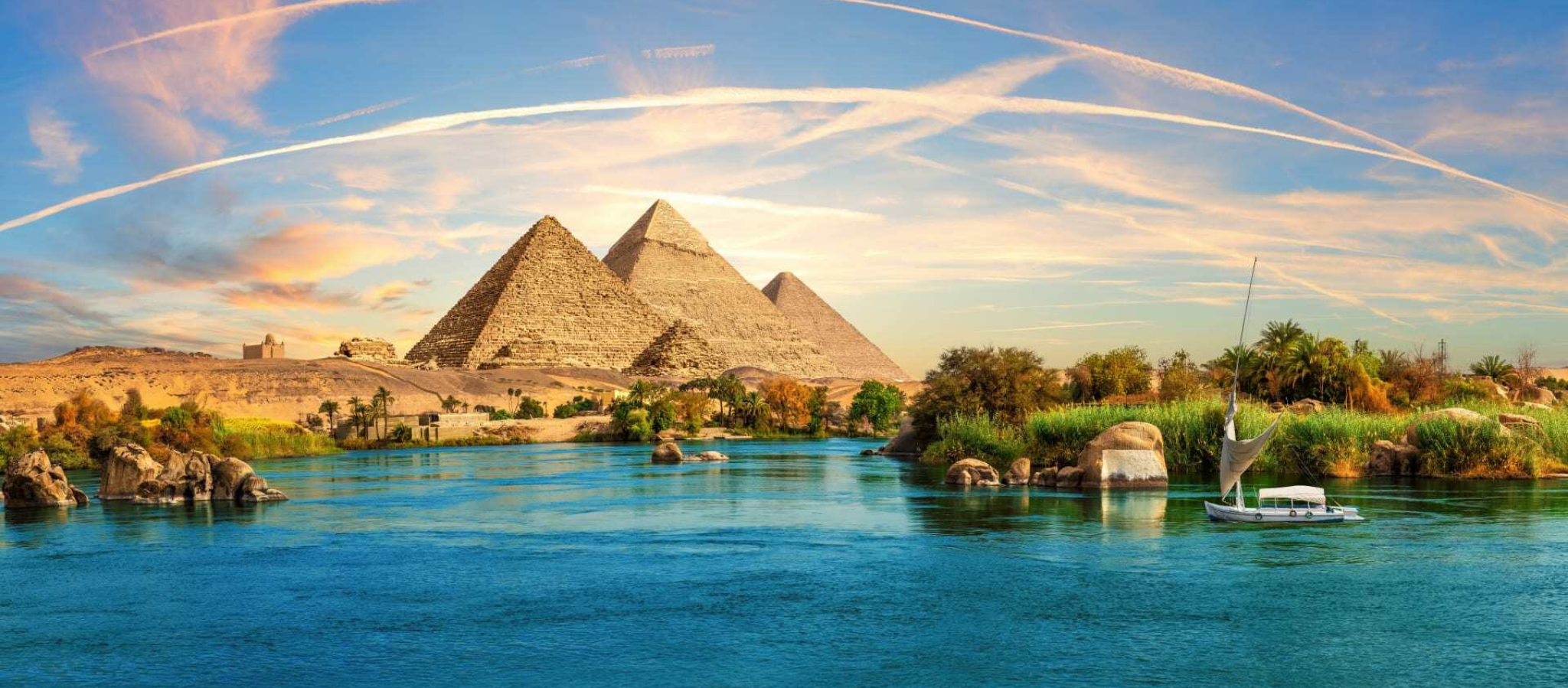
Egypt’s tourism momentum is no longer a seasonal spike, it is turning into a sustained growth cycle with real impact on the local economy. Forecasts expect inbound tourism to reach 18.6 million visitors in 2026, reflecting continued expansion in arrivals and positioning tourism as one of the country’s strongest demand engines. For local businesses, this matters because tourism does not only mean more hotel nights. It means more daily spending, more movement across cities, and more opportunities for operators who understand where demand will concentrate and what visitors actually consume once they arrive.
Tourism Growth Creates Spending Corridors
When visitor numbers rise at this scale, the impact becomes visible in specific locations rather than across the entire country evenly. Tourism growth tends to create spending corridors, areas where visitors repeatedly spend on food, transport, experiences, souvenirs, convenience purchases, and services. These corridors usually form around major attractions, resort destinations, and transit-heavy zones. Once they form, they influence which businesses grow faster, which districts become more active, and which commercial spaces start commanding stronger demand.
For business owners, the smarter question is not only how many tourists are coming, but where tourists concentrate once they arrive. A rise in arrivals increases pressure on service capacity in the areas visitors move through most, and that pressure creates opportunities for businesses that are positioned correctly through location, product category, operating hours, and pricing strategy.
A Bigger Visitor Mix Means Different Buying Behavior
A tourism boom changes the mix of customers local businesses serve. Instead of one dominant visitor type, businesses begin to see multiple segments at once. Cultural tourists visiting major heritage destinations often behave differently from resort visitors in Red Sea cities, and they spend differently too. Beach tourism tends to have more predictable leisure and dining patterns, while cultural tourism brings higher daily movement, shorter decision windows, and more cross-category spending across cafés, retail, and curated local services.
This shift matters because it changes what visitors value when they choose where to spend. Some travelers look for convenience and speed, quick service, clear menus, and a smooth experience that fits a packed itinerary. Others look for discovery and storytelling, places that feel local, products that feel authentic, and experiences they can remember and share. There is also a growing segment of travelers who work remotely while visiting, which increases demand for comfortable cafés, reliable WiFi, calmer daytime environments, and longer average time spent in one location. At the same time, family travel and group travel can push demand toward places with larger seating capacity, predictable service, and flexible ordering options.
For local businesses, the main opportunity is understanding that the tourist you serve may not be the same tourist you served years ago. Businesses that treat all visitors as one group often miss growth hidden inside specific segments and travel styles. The strongest performers usually adjust in small but meaningful ways, such as tailoring peak hours to visitor traffic, adapting product formats for take away, adding bilingual clarity without losing identity, and designing offers that fit different travel behaviors without trying to be everything at once.
Local Businesses Feel the Boom Through Everyday Demand
Tourism growth creates direct and indirect demand. Direct demand includes restaurants, transport services, guides, retail, entertainment, and experience providers. Indirect demand includes suppliers, laundry services, maintenance, staffing, packaging, and local producers that support the broader hospitality economy. When visitor numbers expand, the demand for operational support expands with it, creating opportunities beyond front-facing tourism businesses.
This is why the tourism boom matters even to businesses that are not tourism brands. A café that becomes the daily stop near an attraction zone, a pharmacy near a hotel cluster, a small bakery serving higher footfall, or a convenience shop positioned near tour meeting points can all grow from the same wave without changing their identity.
The Real Advantage Is Not Tourist Friendly It Is Tourist Ready
Many businesses assume tourism growth is captured by adding a translated menu or putting a sign in English. But the bigger differentiator is readiness. Tourist-ready businesses tend to win because they reduce friction. They offer clear pricing, consistent quality, easy payment, predictable opening hours, and a service flow that works during peak activity.
When arrivals grow into the tens of millions, small frictions become expensive. Long queues, unclear pricing, and inconsistent service can push customers away quickly because tourists have limited time and many alternatives. Businesses that can serve efficiently without losing quality are more likely to convert the boom into stable revenue.
Tourism Growth Is Changing What Good Locations Look Like
A tourism boom reshapes location value. A good location is not only a premium district, it is a district that captures movement. Tourist movement is influenced by attraction density, hotel clusters, transport access, and walkable streets. As visitor volumes increase, micro-locations become more valuable, corners near high traffic points, streets connecting landmarks, zones where tourists naturally pause, and areas where group routes gather.
For retail and food businesses, tourism-driven growth often rewards locations that sit on routes, not only locations that look central on a map. As tourism expands, cities adapt around visitor pathways. New service nodes appear, commercial areas become more active, and certain streets become part of an informal tourist ecosystem even without being officially labeled that way.
What Smart Local Businesses Should Do Next
Tourism growth creates opportunity, but it is not evenly distributed. The businesses that benefit most are the ones that align with tourist behavior and remove friction from the buying experience. That starts with understanding what you sell and why a visitor would buy it. Tourists do not spend simply because they are present. They spend because the offer feels easy, useful, and reliable.
For some businesses, the smartest move is adjusting product selection toward high rotation items and convenient formats. For others, it is extending operating hours into peak visitor windows, building partnerships with nearby hotels or tour operators, or improving customer experience to raise conversion. The goal is not to become a different brand. It is to become a brand that can handle the demand that is already coming.
Final Takeaway
A projected 18.6 million visitors in 2026 is not only a tourism milestone. It is a signal of rising demand that will reshape how cities move and how businesses grow. For local businesses, the biggest winners will not always be the biggest operators. They will be the businesses that understand visitor movement, position themselves along spending corridors, and stay ready for daily volume without sacrificing quality. For anyone watching where demand is heading, Bayut helps make that shift clearer by showing which areas are gaining attention as tourism reshapes activity across Egypt.