Livability sounds simple at first, but once you begin to explore it, you realize how personal it is. People do not experience neighborhoods the same way. What feels lively and inspiring to one person can feel crowded to another. What feels peaceful and organized to a family can feel isolated to someone who depends on daily walkability. A livable neighborhood is not a universal formula. It is a relationship between the environment and the life you want to live. Before deciding whether a place is livable, the real starting point is understanding your own rhythm. Do you want movement, walkability, noise and culture within arm’s reach, or do you want space, greenery, quiet evenings and defined routines. Every answer leads to a different version of livability.
The Shape of Walkable Life
Walkable neighborhoods are often celebrated because they allow daily life to unfold without relying heavily on cars. In these environments, residential, commercial and administrative functions exist within the same area rather than being separated into distant clusters. When you can step outside your home and find groceries, pharmacies, cafes, offices and small services within a few minutes of each other, the street gains a sense of momentum. People walk, conversations happen, storefronts stay active and the neighborhood feels alive. The best examples from Cairo’s past, such as Downtown, Garden City and Zamalek, show how mixed functions produce a unique social texture. You are surrounded by movement that gives you the sense of being part of something larger than yourself.
But in many modern expansions, the push for organization has separated functions to make planning easier. Residential districts are placed in one direction, commercial hubs in another and office clusters somewhere else entirely. New Cairo is the clearest example. The city is highly functional, but the distances between services make it less walkable unless you live very close to a commercial spine. The result is a clean, modern district that supports car-based life more than foot-based life. It works well for families who appreciate order, but it loses some of the spontaneity and density that define traditional urban living.
As Egypt develops new districts, the relationship between density and walkability becomes increasingly important. People want clean streets, but they also want places that feel alive. They want convenience, but they also want character. A livable walkable district balances these layers rather than choosing one at the expense of the other.
Compounds and the Different Meaning of Livability
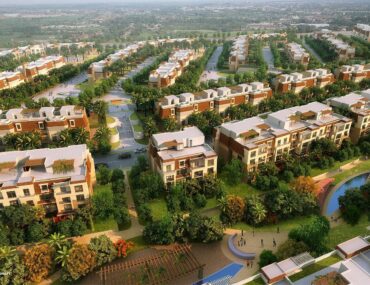
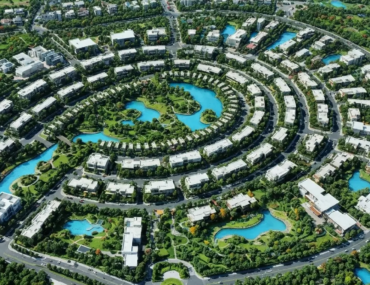
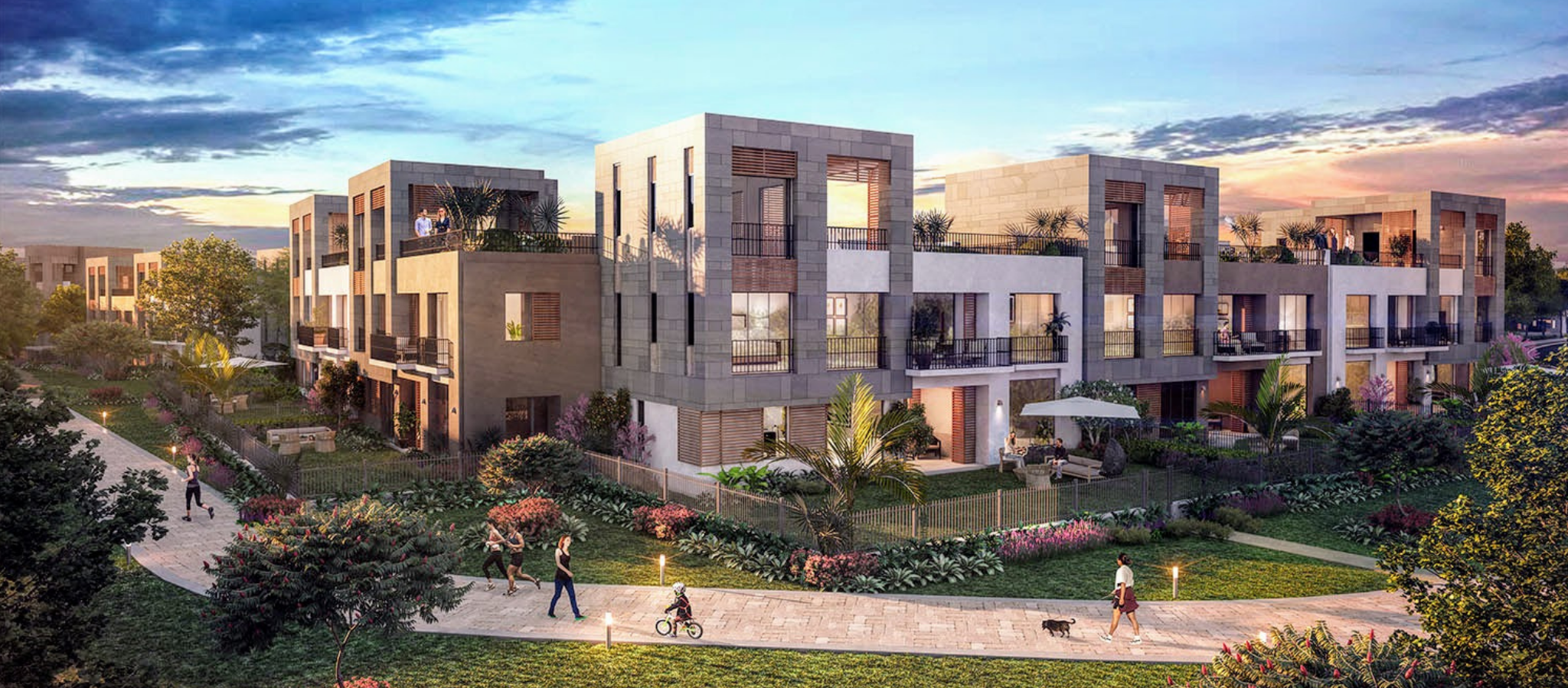
Inside gated compounds the definition shifts again. Compounds are designed for calm, control and predictability. They offer wide green spaces, internal pathways, outdoor seating zones, lakes and clubhouses that give residents a sense of harmony. For many families, this is the very essence of livability. The environment is safe, traffic is minimal, noise is limited and the entire setting feels well maintained. Popular examples across Greater Cairo include Palm Hills October, Mountain View iCity, Mivida, Villette, Zed East, Madinaty and Katameya Gardens. These developments attract people who value structure, greenery and a daily routine that feels protected from the unpredictability of open urban settings.
But these compounds also separate functions within their own boundaries. Commercial areas sit at the edges, clubhouses are clustered in specific pockets and residential neighborhoods remain quiet by design. This creates a peaceful lifestyle but not the multi-layered walkability found in older city districts. A walk inside a compound is scenic and relaxing, but it is not the same as walking through a street where homes, cafes, bookshops, grocery stores and small offices coexist naturally. Compounds create calm but not urban diversity, and that distinction is essential when discussing livability.
Some new compounds are attempting to evolve the model. Badya in West Cairo promotes itself as a semi-urban environment with mixed activities woven more fluidly into the masterplan. O West in 6th of October pushes the idea of an internal town center where daily needs, cultural anchors and community spaces blend more closely with residences. These projects represent a gradual shift toward environments that acknowledge the importance of daily movement, social interaction and internal walkability. But even with these efforts, most compounds still function as suburban-style neighborhoods designed for comfort rather than intensity.
This does not diminish their value. It simply shows how different lifestyles require different definitions of livability. A family with children may prefer calm over chaos, green over concrete and private amenities over city buzz. A young professional may prefer the opposite. A retiree may want something entirely different again. Livability is not measured by one feature but by how well the environment supports the life you want to lead.
Different Districts, Different Rhythms
Greater Cairo today offers a spectrum of neighborhoods that illustrate these contrasts. In West Cairo, Sheikh Zayed remains one of the most balanced examples of livability because of its mix of residential areas, commercial spines, cultural hubs and public spaces. The Arkan, Capital Business Park and Beverly Hills corridor create an environment where daily needs, leisure and community meet naturally. Surrounding compounds provide calm environments only minutes away from active streets, giving residents the ability to choose their preferred rhythm.
East Cairo offers its own duality. The 90th Street corridor in New Cairo functions as a dense, commercial, high-mobility zone where people work, meet, dine and run errands. A few minutes away, neighborhoods such as Hyde Park, Lake View, Katameya Dunes and Layan provide cleaner, quieter environments for families who want stability. This contrast allows the district to remain livable across different lifestyles and stages of life.
The interesting part is how residents move between these different rhythms. Someone may live in a quiet compound but rely heavily on surrounding mixed-use streets for cafés, culture and social experiences. Someone else may live in a lively district but visit quieter compounds for recreation or family gatherings. Livability across Cairo is not limited to where you live. It is shaped by the network of places that support your daily routine.
The future of livability in Egypt may lean toward hybrid models that blend both sides. Urban districts may invest more in greenery, walkable pathways and safer pedestrian environments. Compounds may incorporate more integrated mixed-use zones at their core rather than placing everything at the gate. Developers may rethink how distance influences behavior and how people today expect convenience without losing the benefits of organized communities.
What makes a neighborhood livable is not a checklist. It is the degree to which the environment aligns with your daily habits, your personality and your long-term vision for how you want to live. A walkable district is livable when you seek energy and connection. A quiet compound is livable when you seek calm and routine. Most people want a combination of both, and the best neighborhoods are the ones that allow that balance to exist without friction.
Livability is personal. It is flexible. It is shaped by context and lifestyle. And as cities grow, the neighborhoods that succeed will be the ones that understand that people do not want a single version of life. They want options, rhythms and environments that evolve with them.