Ramadan 2026 is expected to feel different, not because the spirit of the month has changed, but because people have changed how they plan, spend, and make decisions. After a few years of adjusting budgets, rethinking priorities, and becoming more careful with money, many households are entering this Ramadan with clearer expectations.
This does not mean people will stop spending or celebrating. It means they are likely to approach the season in a calmer, more organized way. Ramadan remains a time for gathering, generosity, and shared moments, but how those moments are prepared for is becoming more thoughtful.
A calmer economic mood going into Ramadan
Compared to previous years, many people now have a better sense of what things cost and how to manage around it. Prices may still feel high in some areas, but the element of surprise has faded. Families are no longer reacting month to month. Instead, they are planning ahead.
This sense of stability, even if modest, affects how people approach Ramadan. When households know roughly what to expect, they tend to spread expenses, set limits earlier, and avoid last-minute pressure. This creates a more balanced season, financially and emotionally.
Spending is still there, just more planned
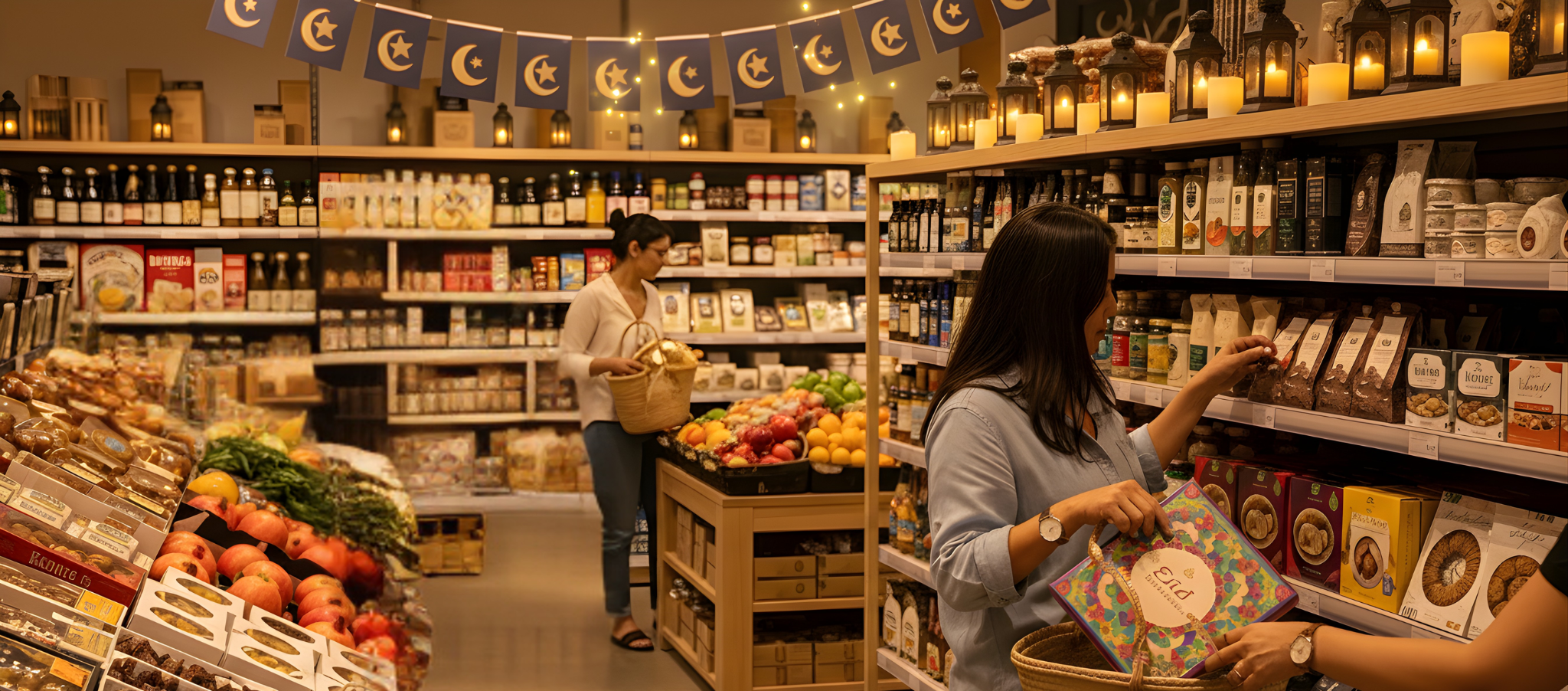
Ramadan spending is not disappearing. It is simply becoming more organized. Food remains the main focus, but shopping habits are changing. More people are planning meals in advance, buying only what they need, and avoiding unnecessary waste.
Instead of large, impulsive grocery trips, families are breaking spending into smaller, more controlled purchases. Offers and discounts matter, but so does reliability. People are less interested in experimenting and more focused on what they know works for their household.
This approach makes spending feel lighter, even when budgets are tight.
Everyday choices feel more intentional
Beyond groceries, daily spending during Ramadan is becoming more intentional. People are thinking twice before buying items that do not add real value to their day or their family time.
Outings, deliveries, and small treats still happen, but they are chosen more carefully. The focus is shifting toward comfort, convenience, and meaning rather than quantity. A simple iftar at home may replace a more expensive option, not out of necessity, but preference.
This mindset helps people enjoy the season without feeling stretched.
More focus on home, family, and routines
Ramadan 2026 is likely to feel more home-centered. Families are investing more time in routines that make daily life easier, from meal prep to organizing schedules around work, prayer, and rest.
Spending follows this shift. Items that support comfort at home, better organization, or time-saving solutions become more important than decorative or one-time purchases. The value people seek is practical and emotional at the same time.
This return to simpler rhythms helps reduce stress and allows the focus to stay on what Ramadan is meant to be about.
What this means for the rest of the month
Overall, Ramadan 2026 is shaping up to be a season of balance. People are not pulling back completely, nor are they overspending. They are choosing what matters and letting go of what does not.
For many households, this makes the month feel lighter. Planning replaces pressure. Intention replaces excess. The spirit of Ramadan remains strong, supported by habits that feel more sustainable and realistic.



 as a preferred source on Google