Saving money in Egypt used to feel like a personal discipline. You try to spend less, cut extras, and survive the month. But what’s happening now is bigger than discipline. Egyptians are increasingly using tech to protect their budgets before the money even leaves their hands. They are not only trying to buy cheaper, they are trying to avoid waste, avoid bad decisions, and avoid long-term costs that quietly accumulate.
That shift is obvious in daily categories like payments and shopping, but it becomes most serious in housing. Because your phone bill can be adjusted. Your grocery choices can be changed. But a wrong home choice follows you every month. It affects rent, transport, time, and lifestyle costs. That is why the smartest money-saving behavior today is not only “spend less,” it is “choose better early,” and this is exactly where platforms like Bayut become part of the same savings story Egyptians already practice in everything else.
Fintech helped Egyptians see their money instead of guessing it
Fintech didn’t only make payments easier, it made spending clearer. When money becomes visible, people become more careful without needing to be extreme. Digital wallets, instant transfers, and simple payment tracking make it easier to notice patterns like how fast small spending adds up, or how often you pay extra because of bad timing and last-minute planning.
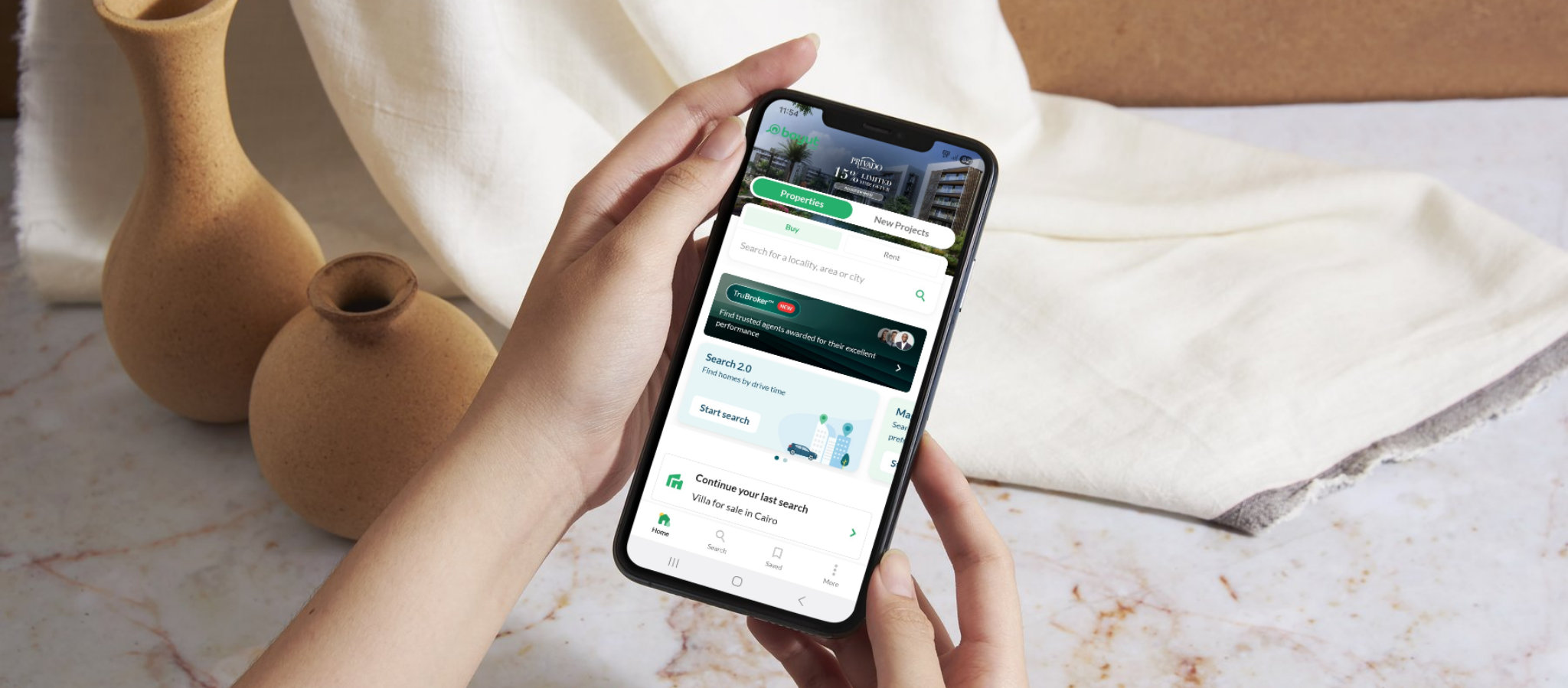
That visibility creates a new habit. People start thinking in totals, not moments. They stop asking “how much did this cost today,” and start asking “what does this cost me every month.” That mindset shift is important because it is the same mindset that matters in housing. A home is not a one-time cost, it is a monthly system. Bayut fits here naturally because it supports that “monthly reality” thinking. It lets people explore realistic options based on budget and compare them properly, before they commit to a long-term cost they will feel every day.
Smart apps turned saving into a daily comparison habit
One of the most obvious changes in Egypt is how normal comparison has become. People compare prices before ordering food. They compare delivery options. They check offers. They wait for a better deal. It’s not always about getting the cheapest item, it’s about feeling confident that you didn’t overpay for no reason.
This habit matters because it moved saving from a rare effort into a daily routine. And once people get used to comparing in small purchases, they naturally expect the same behavior in big ones. Housing is one of the biggest decisions someone makes, yet historically many people approached it with limited visibility, one broker, one listing, one option at a time. Bayut is basically the property version of the comparison habit Egyptians already built everywhere else. It gives the market in one view, so people can compare without wasting weeks in scattered searching.
Subscription culture taught people what silent waste looks like
Subscriptions are one of the easiest ways to lose money without noticing. You sign up, forget, and keep paying. Many Egyptians now actively manage subscriptions because they realized something simple. Saving isn’t always about cutting life down, it’s about stopping the automatic costs that don’t add value anymore.
That same logic applies to housing decisions in a bigger way. Because a home is also a “subscription,” just much heavier. You pay monthly, you commit long-term, and you only notice the damage after it accumulates. A rent that is too high for what you’re getting is a subscription you can’t easily cancel. A location that drains your transport budget is a subscription you pay in money and time. Bayut fits here because it helps you avoid the housing version of silent waste, by showing you what your budget can actually access across different neighborhoods and unit types before you lock yourself in.
Egyptians are treating big purchases like research projects now
Cars, phones, electronics, even appliances, Egyptians research first. They compare options, read experiences, check price ranges, and come into the decision with context. That shift protects money because the most expensive mistakes happen when you buy blind.
Housing has started following the same pattern. People don’t want to “discover” their housing decision after moving in, they want to understand it before signing. Bayut is part of this research-driven behavior because it gives people a way to explore listings, filter by price and location, and build context before they talk to anyone. It’s not about selling a property. It’s about making sure the person isn’t walking into the biggest monthly commitment of their life with zero market awareness.
The most expensive money mistake in Egypt is a wrong housing choice
A bad home decision costs more than people admit. Not only rent. The hidden costs are what hurt. Long commuting time that turns into daily spending. A neighborhood that forces you into constant deliveries and transport. A unit that looks fine but doesn’t match how you live. Over months, those small costs become a second rent.
This is exactly where tech becomes a savings tool in the most serious way. Proptech doesn’t “discount” real estate, it reduces the chance of expensive mismatch. Bayut helps people avoid those mistakes because it allows them to see more than one option, understand realistic price ranges, and compare units properly. The savings here are not a promo code. The savings are avoiding a decision that would have been costly to live with.
Bayut fits the new savings behavior Egyptians already have
The real story is that Egyptians have trained themselves to compare before committing. The behavior exists already. What changed is that the behavior moved from small expenses to major commitments. Groceries, yes. Subscriptions, yes. But now housing too. That is the shift.
Bayut works inside that exact habit. It supports the comparison mindset that Egyptians already use to save money every day, and brings it into real estate where the stakes are higher. Searching, filtering, and comparing on Bayut is not a separate action from saving money. It is saving money, because it protects the largest monthly cost from being decided blindly.
Final thought
Tech is not making Egypt cheaper. It is making Egyptians smarter and faster at protecting their budgets. Fintech helps people see their spending clearly. Smart apps help people compare daily choices automatically. And Bayut sits where all of that logic becomes the most valuable, housing. Because the strongest form of saving is not squeezing the small costs harder. It is avoiding the big long-term mistake before it happens.