Over the past decade, the idea of what a home can be has expanded beyond anything traditional floor plans ever imagined. Homes are no longer defined as places to sleep, cook and gather. They have become personal hubs for entertainment, play, relaxation and creativity. This shift is not driven by luxury alone. It reflects a deeper change in how people experience their time, how families use shared spaces and how the line between leisure and daily living continues to blur.
Modern homeowners are investing in features that turn their private spaces into environments that engage the senses, encourage social connection and support new lifestyle habits. From transforming dining tables to indoor cinemas and even home padel courts, the defining trend is simple. A home is now meant to be lived in, used and enjoyed, not just maintained.
This blog explores the most noticeable ways homes are becoming more entertaining, and why these features have become a meaningful part of home design today.
Multi-Purpose Furniture: When Everyday Objects Become Experiences
One of the most interesting changes in modern interiors is the rise of multi-purpose entertainment furniture. A core example is the billiards table that converts into a dining table. What once required a dedicated room can now fit seamlessly into everyday living.
The appeal is practical and aesthetic at the same time. By day, the table can host meals and gatherings. By night, it becomes the center of a friendly game. This approach responds to a shift in how people use shared spaces. Rather than separating leisure and daily routines, designers now embrace flexibility, allowing one room to host multiple experiences without clutter.
The same concept appears in foldable ping pong tops, modular seating that adapts to game nights and dining sets that integrate storage for board games. Homes are no longer rigid. They adapt as the moment requires.
Sliding Walls and Expanding Rooms
Sliding panels and flexible dividers are redefining what a room can be. They allow spaces to transform quickly and quietly. A living area can open into a lounge for gatherings. A bedroom can extend into a reading corner. A narrow hallway can become an art display or a projector wall.
Sliding walls are used in modern design for three main reasons. They expand the functionality of small or medium-sized spaces. They help homeowners create semi-private zones without the permanence of building walls. And they introduce motion and rhythm into the home, turning space into something dynamic rather than fixed.
What makes sliding walls particularly exciting is how they influence the mood of a home. The simple act of opening or closing a panel can change the lighting, the acoustics and even the energy of the room. The home responds to its people, not the other way around.
Projection Systems and the Return of the Big Screen
Projectors have made a strong comeback in residential design. The new generation of compact, high-brightness projectors gives homeowners a cinema-like experience without needing a dedicated room. Many families now prefer projection systems over traditional TVs because they create atmosphere. A movie takes over the wall, the lights dim, the sound fills the room and the experience feels intentional.
What used to be a rare luxury is now accessible. Projectors can turn a white wall into a cinema, a gaming arena or even a scenic digital window. Outdoor projection is also becoming increasingly popular. A backyard wall, a terrace or even a blank fence can transform into a screen for summer nights.
The attraction lies in the ability to shift moods and activities instantly. A room becomes something new without changing the furniture or layout. Visual entertainment becomes part of the architecture.
Gaming Rooms: Dedicated Spaces for Play and Creativity
Gaming rooms are among the fastest-growing additions in modern homes. These spaces are no longer just for video games. They are designed for creativity, social interaction and personal expression. Some homeowners create console gaming corners with ergonomic seating and soundproofing. Others build PC gaming setups with multi-screen environments and LED lighting.
The appeal is less about technology and more about experience. Gaming rooms provide a private retreat that blends comfort with focus. They offer a space where digital interaction becomes social, where families gather for multiplayer nights or where individuals explore immersive worlds on their own.
In many homes, gaming rooms also double as workspaces or hobby rooms. They illustrate how entertainment and creativity are intertwined in modern living.
Indoor Cinemas for a More Personal Movie Experience
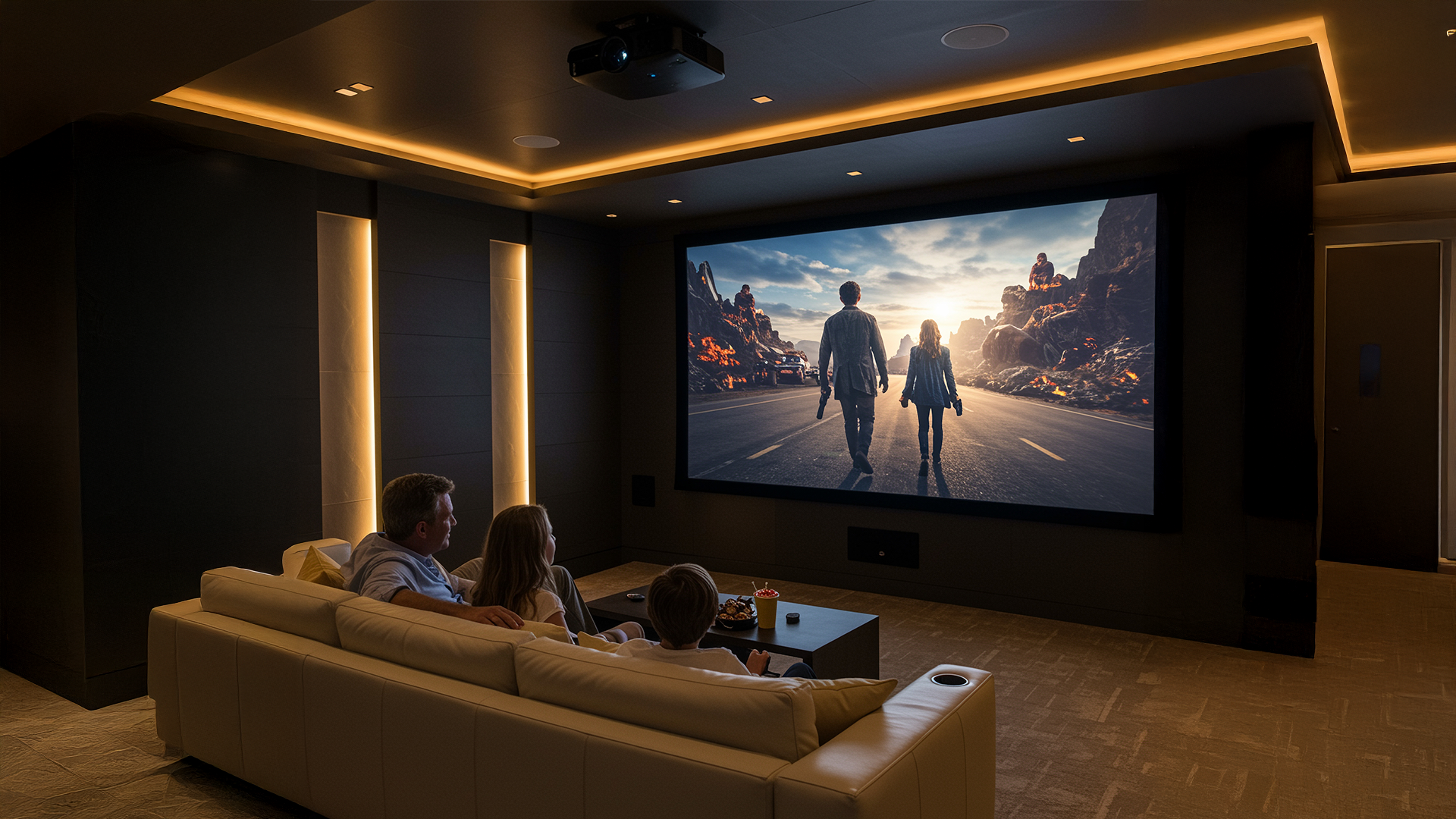
Indoor cinemas continue to grow in popularity because they offer something streaming platforms alone cannot deliver. They create a specific ritual. A closed room, controlled lighting, curated seating and sound that feels fuller than a living room setup.
Cinemas at home do not need to be large. Some are designed with only two armchairs and a projector. Others feature tiered seating and acoustic panels. What unites them is the intention behind them. They create a shared moment for families, couples or groups of friends. They transform entertainment into a quiet, focused experience.
Home cinemas provide a sense of escape without leaving the house. That alone makes them meaningful in today’s lifestyle.
Indoor Pools and Home Jacuzzis: Wellness Meets Entertainment
The rise of wellness-oriented living has brought indoor pools and jacuzzis into everyday home design. Homeowners appreciate the ability to enjoy relaxation routines privately and consistently.
Indoor pools are designed with minimalism in mind. They often feature clean lines, warm lighting and natural textures that create a calm atmosphere. Jacuzzis, on the other hand, provide a pocket of relaxation that fits into smaller spaces. They encourage routine stress relief, morning rituals or night-time wind-down sessions.
Homes are shifting toward environments that support both body and mind. Entertainment today is not only about fun. It is also about personal wellness, recovery and slow living.
Home Padel Courts and Mini Golf: Outdoor Spaces with Purpose
Outdoor entertainment is evolving rapidly. Homeowners are turning gardens and backyards into purposeful play areas. The padel court is one of the most popular additions because it suits small spaces and complements social play. Mini golf, too, is becoming a playful landscape element that brings charm and activity to outdoor areas.
These features transform outdoor zones from passive green areas into active, engaging environments. They introduce movement into daily life and provide families with ways to enjoy time together without leaving home.
They also reflect a broader shift in how people shape their surroundings. Outdoor areas are no longer decorative. They are functional, interactive and designed for year-round use.
A Home That Entertains Naturally
The evolution of entertainment at home is not a trend driven by luxury. It is the result of people wanting their homes to reflect how they truly live. The modern home must be flexible, engaging, adaptable and comforting. It must support social interaction, personal retreat, wellness, creativity and play.
Features like transformable furniture, sliding walls, projection systems, gaming rooms, indoor spas and outdoor sports spaces represent a new understanding of what home means. They show that the home has become a living environment that responds to its occupants and their evolving lifestyles.
In the end, homes are becoming more entertaining because people are demanding more from the spaces they inhabit. They want homes that enrich their daily routines, bring them joy and offer meaningful experiences without stepping outside. And that, more than anything, is shaping the homes of the future.