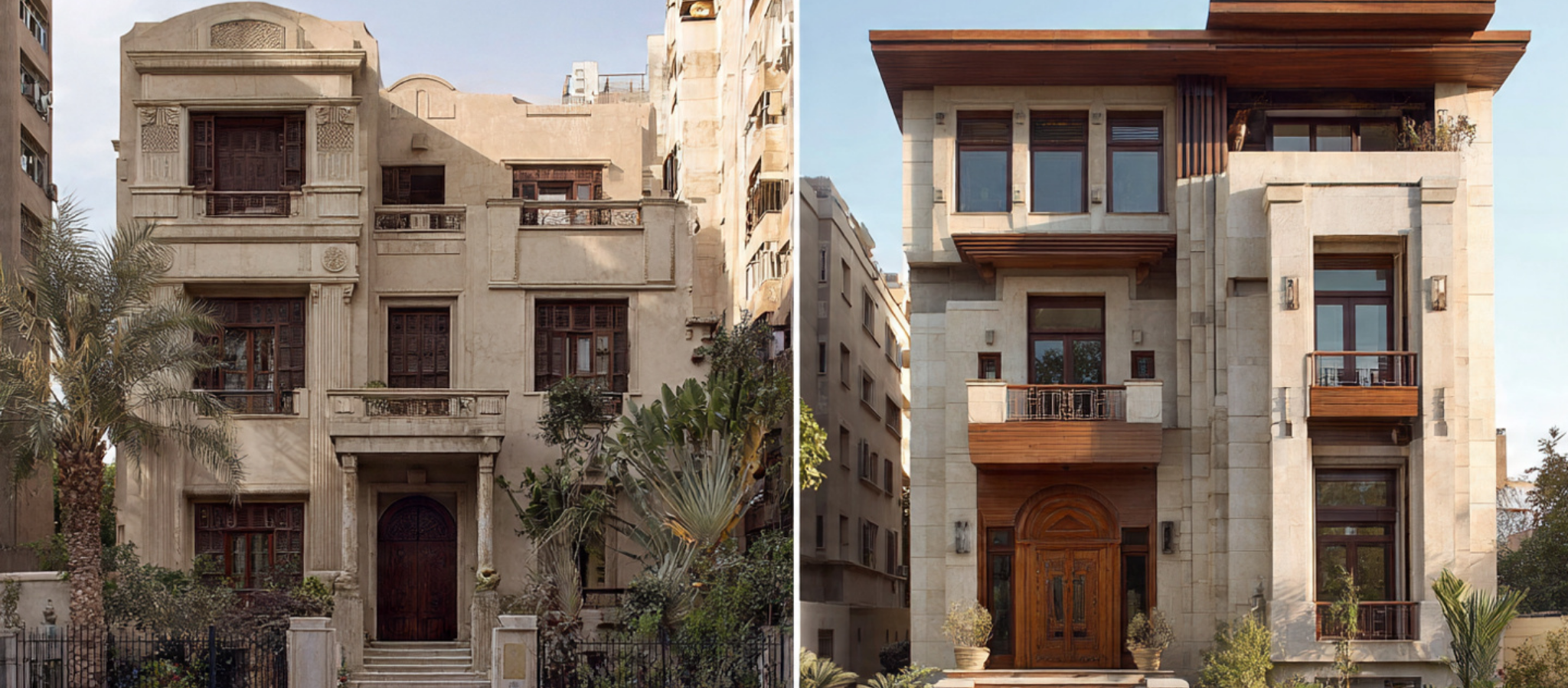
Ten years ago, “home” in Egypt was a clear milestone. It was the moment you finally owned something permanent, the proof that you were progressing, and often the final step that made other life plans feel secure. People talked about home in a straightforward way, focusing on the address, the size, the number of rooms, and whether it was ownership or rent. The meaning was stable because the path was familiar, and the priorities were widely shared.
Today, home still matters just as much, but it means something different. It is no longer only a milestone, and it is no longer only a symbol. For many Egyptians, home has become a system for stability, a way to protect value, and a space that needs to support daily life in a much more demanding reality. The shift did not happen overnight, but it became more obvious as economic pressure increased, lifestyles evolved, and expectations around comfort became more personal.
Home Became a Hedge, Not Just a Goal
A decade ago, buying a home was often framed as a life achievement. It was tied to the idea of settling down, building a future, and owning something that defined your next stage. The emotional value was strong, but it was still built around the idea of reaching a goal. If you bought a property, you made it to the finish line.
Now, many Egyptians look at home through a different lens. Home has become a way to protect value in a world where holding money in cash does not always feel safe or reassuring. Inflation, currency shifts, and the rising cost of daily living changed how people think about savings. A home is increasingly viewed as an asset that holds relevance over time, not just a space that holds furniture. Even when the decision is emotional, the thinking behind it is often defensive, because people want something stable in a market that feels unpredictable.
This is one of the biggest changes in meaning. Home is not only about reaching a stage in life, it is also about reducing future risk, and that changes how people choose locations, payment plans, and timelines.
Renting Stopped Feeling Temporary
For a long time, renting in Egypt carried a certain assumption. It was often seen as a temporary phase, something you do until you buy, or something you accept until you can move into “your real home.” Even when people rented for years, the mindset still carried the idea that rent was a bridge, not a destination.
That has shifted. Rising rental prices in many areas, along with the constant pressure of changing conditions, made many renters rethink what home means. A home is no longer defined only by ownership. It is defined by stability, control, and the ability to live without constant fear of disruption. For some, renting became a strategic choice to stay flexible. For others, it became a long-term reality that they adapted to by prioritizing comfort and location over the idea of permanent ownership.
This is why the conversation around home feels more mature today. People have stopped treating renting as a lesser choice, and started treating it as a lifestyle decision that still deserves the same level of thought and care.
Affordability Is Now Defined by Monthly Commitment
One of the most important changes in the last decade is how Egyptians define affordability. Ten years ago, affordability often meant the price of the unit itself, how much you could pay upfront, and whether the deal felt “reasonable” compared to the market.
Today, affordability is increasingly measured by the monthly commitment. Installment plans have become a major part of how people approach buying property, and many buyers think in terms of what they can sustain rather than what they can purchase in theory. A home is not just a purchase price, it is a schedule, a plan, and a responsibility that needs to fit real life for years.
This has reshaped home decisions in a major way. People are more likely to accept a smaller unit, a different neighborhood, or a longer timeline if the payment structure protects their lifestyle. The unit itself matters, but the plan behind it often matters even more, because home now has to work financially as well as emotionally.
Home Became a Multi-Purpose Space, Not a Destination
Ten years ago, home was mostly a place you returned to. You left in the morning, spent most of the day outside, and came back at night to rest. The home experience was important, but it was not always the center of the day.
Now, home is where many people live more of their life than ever before. Even for those who do not work fully remotely, modern routines made home more multi-functional. People take calls from home, manage side work from home, study from home, and spend more time inside due to lifestyle and economic choices. This is why the definition of a good home changed. It is no longer about looking good when guests visit, it is about supporting the rhythm of everyday life.
Layout matters more now because people need functional separation. Natural light matters more because it affects energy during the day. Quiet matters more because home has to support focus and recovery. In many cases, these factors are now more valuable than an extra room that does not serve a daily purpose.
Privacy Became a Premium Because Density Increased
In many Egyptian cities, daily life became more crowded. Buildings expanded vertically, neighborhoods became more active, and personal space shrank in subtle ways. Even when an apartment is spacious, it can still feel exposed if the surroundings are dense, the windows are close to neighbors, or the building is constantly busy.
That is why privacy became a bigger priority than it used to be. People are increasingly looking for homes that feel protected and calm, not just homes that are bigger. They want quieter buildings, less foot traffic, better separation between units, and layouts that allow personal space within the same household. Privacy is no longer a luxury feature, it is part of what makes a home feel livable.
This shift is especially noticeable in the growing demand for compounds and gated communities. Many buyers are not only buying amenities, they are buying distance, control, and a sense of calm that feels harder to find in crowded environments.
Home Became a Family Strategy, Not Only a Personal Choice
Home decisions in Egypt have always been family-influenced, but the role of the family asset strategy became stronger. In today’s market, people are not only buying for themselves. Many are buying with long-term planning in mind, thinking about children, future needs, and security for the household. Even when a buyer is young, the unit is often viewed as something that protects the family’s future options.
This is one reason why certain decisions now feel more calculated. People are more likely to think about whether a home can be rented later, whether it can be sold easily, and whether the location will stay relevant. The home is still emotional, but it is also a long-term tool that families rely on when uncertainty rises.
Lifestyle Efficiency Replaced Prestige as the Main Flex
Ten years ago, the address itself carried a certain prestige. Living in a well-known neighborhood was a statement, and the idea of “upgrading” often meant moving to a more impressive location, even if daily life became harder.
Today, lifestyle efficiency is often seen as the real upgrade. People increasingly want a home that makes life easier, not just a home that sounds impressive. They want to reduce commute time, stay close to essentials, live near services that match their routine, and avoid spending hours every week on basic logistics.
This is why the concept of a “good home” has changed. The best home is not the one that impresses others the most. It is the one that protects your time, supports your energy, and makes everyday life smoother.
What This Shift Means for Home Seekers Today
If the meaning of home changed, then the way people search for it also changed. Many Egyptians are now looking for homes that support stability rather than status, comfort rather than size, and sustainability rather than short-term wins. They ask different questions, and they judge value differently. They pay attention to privacy, layout, building behavior, and long-term livability, not only the number of meters.
This does not mean space no longer matters, and it does not mean ownership is no longer a dream. It simply means that home has become a more thoughtful decision, shaped by the realities of modern life. What people want from a home today is not only a place to live, but a place that helps them live better.
Explore Homes That Match How You Live on Bayut
As priorities evolve and lifestyles change, choosing a home becomes less about following old rules and more about finding what fits your life today. Whether you are renting for flexibility, buying for stability, or planning long-term for your family, the right home is the one that supports your daily reality.
On Bayut, you can explore different home options, compare neighborhoods, and find listings that match your needs, your priorities, and the way you want to live now.