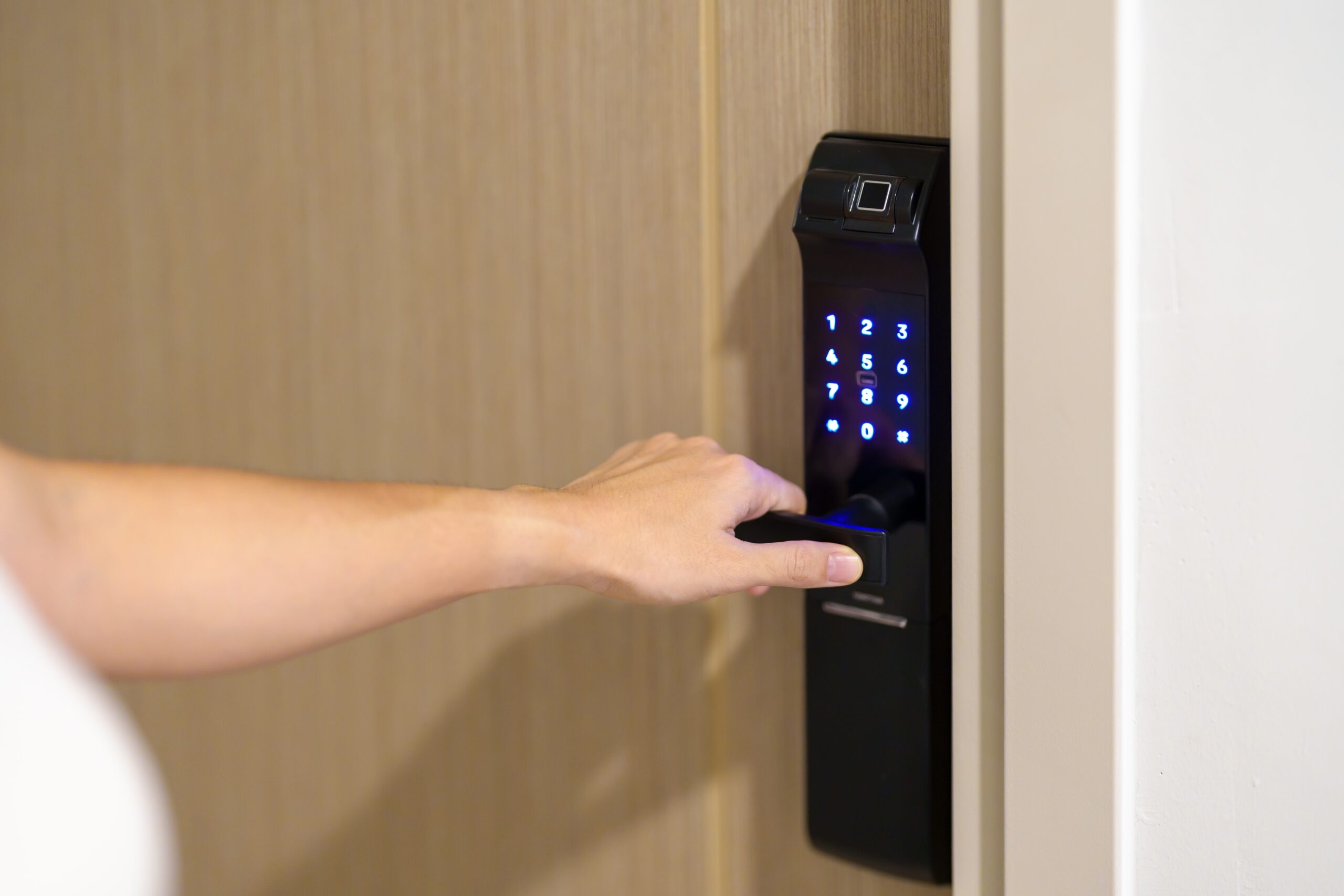
Home safety is entering a phase where protection is no longer defined by physical barriers alone. Locks, gates and traditional alarm systems served their purpose for many years because risks were clear and predictable. Today the idea of safety has expanded into something far more intelligent. It is becoming an ecosystem shaped by learning systems, environmental sensors, digital networks and predictive tools that allow homes to anticipate problems before they occur. Homes are moving from passive structures into responsive environments.
The next era of home safety is not about fear. It is about accuracy. Modern living depends on electricity, connectivity and dense building systems. This creates a need for homes that can understand themselves and react faster than people can.
Homes That Can Read Their Environment
The foundation of next generation safety lies in environmental awareness. Sensors have evolved far beyond simple motion detection. Advanced temperature sensors can detect early signs of overheating in electrical circuits. Water sensors can identify hidden leaks behind walls or under flooring before they become major structural issues. Air quality monitors now detect particulate levels, smoke patterns, carbon monoxide, volatile organic compounds and changes in indoor airflow.
Gas sensors monitor minute shifts in concentration to prevent dangerous buildup. Humidity sensors predict mold formation long before it appears. Even window and door sensors can now read pressure changes, vibration patterns and forced entry attempts rather than simply confirming whether something is open or closed.
These systems create a continuous layer of observation. Homes with insulated walls, complex HVAC systems and multiple electrical zones require tools that react instantly to internal changes. This shift is driven by necessity. Modern homes cannot rely on visual inspection or human reaction time alone. They must be able to read their own environment.
Security That Learns Instead of Repeats
The traditional model of home security operated on triggering events. Something happened, then the alarm responded. That model is being replaced by learning based systems that analyze behavior over time. Cameras equipped with intelligent detection can distinguish between familiar and unfamiliar movement. Security systems can recognize patterns such as daily routines, nighttime activity, service visits and pets.
Movement is no longer the only variable. Systems now analyze sound signatures, thermal patterns, and the timing and direction of motion. This reduces false alerts and creates context driven responses. If activity occurs outside the normal pattern, the system flags it. If it matches expected behavior, it remains silent.
Lighting systems are being integrated into this predictive layer. Outdoor lights along pathways activate only when movement appears unusual. Perimeter detection technology now uses a blend of thermal imaging, radar and optical analysis to detect suspicious activity long before a breach occurs.
In community settings, these tools can work as a network. Shared perimeter detection and intelligent gate control reduce the need for constant manual oversight. The environment reads itself and prioritizes anomalies. The homeowner receives fewer alerts, but each alert is more meaningful.
A New Understanding of Digital Safety Inside the Home
Digital protection is now as important as physical security. Homes rely on interconnected devices that exchange information continuously. This includes climate systems, lighting networks, appliances, entertainment systems, entry controls, and wearable devices linked to home platforms.
Modern network systems monitor unusual data flows and block unauthorized access attempts automatically. Encrypted communication between devices prevents interception and tampering. Authentication tools now include biometric verification, temporary access codes for guests and time restricted digital keys.
Digital safety also depends on system redundancy. Many smart homes now operate on combined communication protocols so that essential safety devices continue functioning even if one network fails. This prevents situations where alarms or sensors go offline due to a temporary issue in the home’s internet connection.
Residents are becoming more familiar with digital hygiene practices. Secure network configuration, device isolation and proper authentication methods are becoming household standards. This shift ensures that the digital foundation of the home is just as secure as its physical structure.
From Reaction to Prevention: The Future of Home Protection
Predictive tools represent the real transformation in home safety. Instead of waiting for an event, systems now analyze long term patterns and forecast problems. Electrical load monitoring can detect chronic imbalances and prevent equipment failure. Water pressure analytics can identify early signs of pipe fatigue. Structural vibration sensors can detect shifts that indicate foundational stress or external impact.
Predictive smoke analysis is becoming increasingly common. Instead of responding to dense smoke, sensors measure the progression of particle concentration to identify fires at the earliest stage. Some systems can automatically shut down ventilation to reduce the spread of fumes.
Emergency integrations are becoming smarter. When severe risks are detected, systems can notify emergency responders automatically with precise information about location and type of incident. This reduces response time and increases the chances of preventing serious damage.
On a broader scale, communities are beginning to experiment with interconnected safety grids. Homes share anonymized alerts related to environmental risks such as gas concentrations, seismic activity or air quality fluctuations. This creates a responsive neighborhood network where residents benefit from collective awareness.
Urban planners are studying how these technologies can integrate with city infrastructure. Future safety models may allow homes to interact with public systems that monitor weather, pollution, power stability and transportation conditions.
The Home of the Future Is Aware, Not Defensive
The next wave of home safety is defined by awareness rather than defense. A safe home is no longer one that simply locks intruders out. It is one that reads the environment, analyzes behavior, monitors internal systems, protects connectivity and predicts risks.
This new model changes the relationship between people and the homes they live in. A home becomes a partner in maintaining stability. It identifies changes before residents notice them. It filters noise from real threats. It creates quiet protection that does not interrupt daily life.
As technology progresses, homes will continue to evolve. They may soon manage energy consumption automatically, regulate air purity dynamically, detect structural fatigue, balance humidity for health and coordinate with citywide systems.
Home safety will become a silent, intuitive layer of living. It will be built into the rhythm of the home itself. People expect their homes to do more than protect them from external threats. They expect spaces that think, respond and prevent. This expectation is shaping the future of safety, and the next generation of homes is already being built around it.