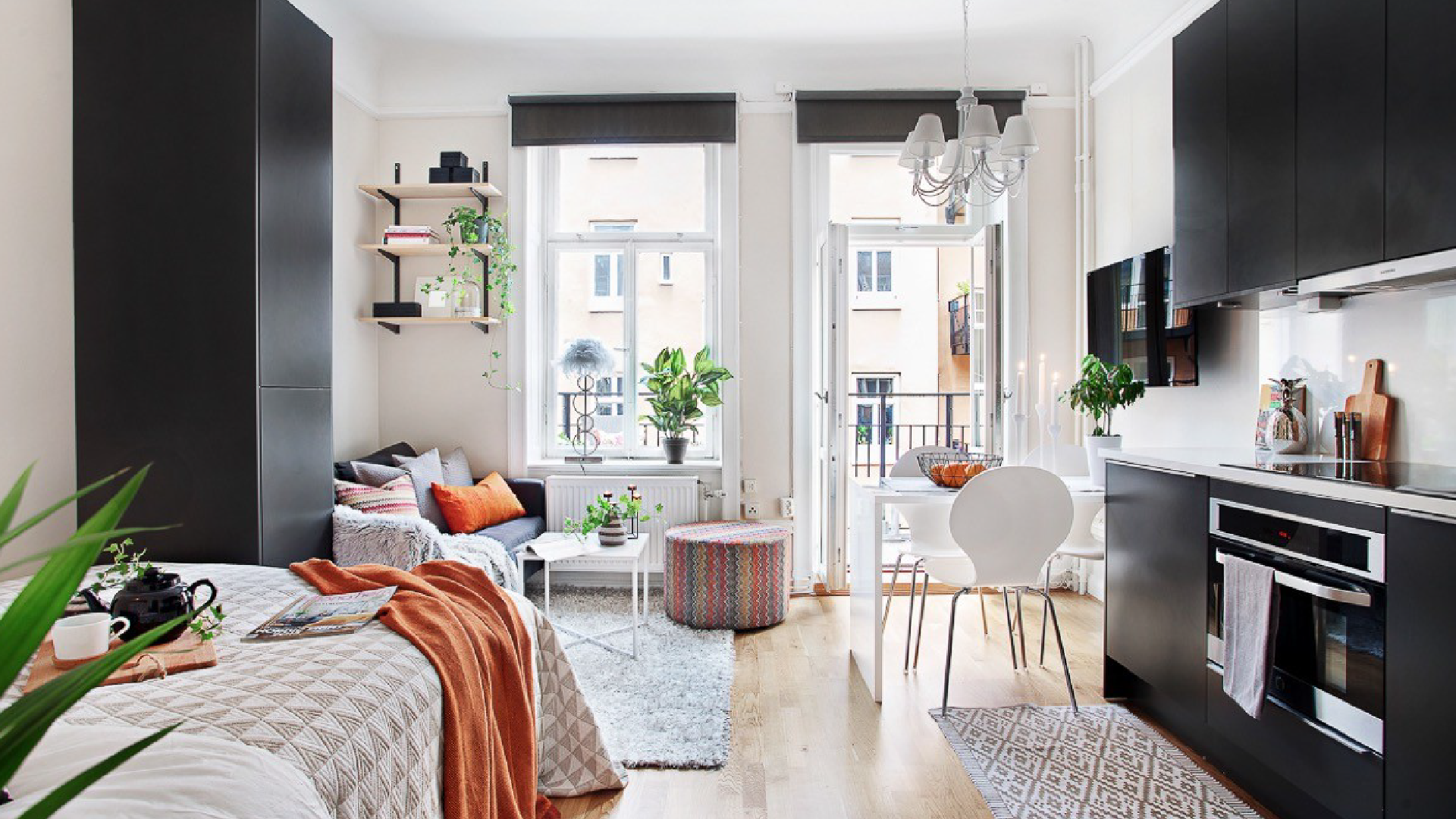
For decades, the Egyptian housing story could be summed up in one sentence: space is everything. Developers marketed it, families demanded it and buyers paid a premium for it. A larger apartment meant stability. A big reception area meant pride. A home was measured in square meters before anything else. Today, that story is changing. Quietly at first, then very noticeably, the market is witnessing the rise of smaller residential units. In some projects the numbers reach 35 square meters, a size that once felt impossible for Egyptian culture. Yet these units are gaining traction and in many cases they sell out faster than larger apartments.
This shift is not a trend pulled from international cities and forced on the market. It is demand driven. Buyers asked for it. Developers adapted to it. The result is a new category of homes that challenges long held assumptions about what an Egyptian home should be.
It’s No Longer the Square Meters Alone
The rise of smaller units did not start with a design trend. It started with behaviour. Buyers began prioritizing location and utility over space. They began choosing access to services, mobility and monthly affordability instead of unused rooms and oversized receptions. The shift was gradual but consistent. Once developers noticed that the smallest typologies were the first to be reserved in new launches, the direction became clear.
This is not about economic pressure only. Rising prices are part of the story, but they do not explain it fully. What changed is the expectation of how people want to live. Singles who work in the city no longer need a 200 square meter apartment that remains empty most of the week. Young couples starting their lives prefer a flexible unit they can manage without sinking their entire income into maintenance. Families with grown children no longer need the same amount of space they once required. Many buyers want a home that fits their routine, not a routine built around maintaining a large home.
New York and Singapore built entire cultures around compact living. Smaller units there are not seen as a compromise. They are seen as efficient, practical and well designed. As lifestyles shift in Egypt, that logic is beginning to make sense locally too.
When 35 Square Meters Became A Viable Choice
The idea of a 35 square meter apartment once felt unrealistic for the Egyptian market. It did not match the culture of hospitality or the expectation of family gatherings. Yet this size began to appear in new launches and surprisingly, it resonated. Not with everyone, but with enough buyers to influence how developers plan their future phases.
These units attract people who want independence without the financial weight of a large mortgage. They attract investors who prefer lower entry points and faster liquidity. They attract renters who want to live inside a compound without the cost of a full apartment. They also suit commuters who work in New Cairo or the New Administrative Capital and need a simple home base.
Once buyers demonstrated acceptance, developers gained confidence to introduce more compact typologies. The 35 square meter conversation is no longer surprising. It is part of the market vocabulary.
Elm Tree by Sarai: A Real Example of What Compact Living Looks Like
The clearest example of this shift is Elm Tree, a recent launch by Madinet Masr. Elm Tree was designed around the concept of functional, lived in spaces rather than oversized layouts. The development offers smaller units that target real demand. The pricing, the planning and the amenities position it as a destination for buyers who want a modern home without the financial pressure of traditional sizes.
Elm Tree is not alone. Other compounds have started adding compact typologies to their product mix. Projects in East Cairo are introducing studios and one bedroom apartments between 45 and 60 square meters. Compounds in West Cairo are doing the same. Even coastal developments on the North Coast are adopting smaller footprints for buyers who want seasonal homes without long term obligations.
The pattern is the same. Whenever a launch includes compact units, they tend to be among the fastest to sell. Not because they are the most affordable, but because they solve a real problem for a real audience.
What Makes Smaller Units Attractive Today
Smaller units appeal to more than one type of buyer. They speak to a broader shift in how people value their time and lifestyle. A smaller home is easier to clean. Easier to manage. Easier to furnish. Easier to upgrade. It reduces the monthly burden of utilities and maintenance. In gated communities with shared amenities, residents still enjoy greenery, pools, gyms and retail without paying for extra private space inside their homes.
For investors, compact units offer a different kind of advantage. Their rental demand is strong because young professionals and students prefer them. Their appreciation potential can be significant because they are accessible to a wider pool of buyers. They also align well with short term rental models when located near business hubs or universities.
For developers, small units help diversify the customer base. They attract new segments who might have been priced out of the market. They allow developers to sell more homes without expanding land usage. They fit the density requirements of integrated communities. Most importantly, they reflect an honest reading of how the Egyptian market is evolving.
Compact Living And The Shape Of Future Cities
The rise of small units also has implications for urban planning. Compact homes require smarter design and better layouts. They push developers to invest in quality over size. They encourage the creation of mixed use projects where retail, services and green spaces are within walking distance. They support the vision of connected cities rather than isolated residential clusters.
As New Cairo expands and the New Administrative Capital matures, the role of compact units will likely grow. They offer a housing model that matches the speed of urban development. They give younger buyers a realistic pathway to ownership. They reduce the pressure on infrastructure and utilities. They create communities where people live, work and move with greater ease.
If Egypt continues on this trajectory, we may see compact living become one of the defining features of the next generation of real estate.
The Rise Of Choice
What is happening in Egypt today is bigger than a shift in unit sizes. It is the Rise of choice. Buyers once felt limited to large apartments or nothing at all. Now the market offers a spectrum. A 35 square meter unit for a commuter. A 45 square meter studio for a young couple. A 60 square meter one bedroom for a professional. A 120 square meter apartment for a small family. A 250 square meter home for a larger one.
The diversity itself is the milestone. It signals a market that listens and adapts. It shows a shift away from one model of living toward multiple paths that reflect different needs.
Smaller units are not the future for everyone. But they are part of the future for many. Their rise is not accidental. It is the result of real demand, real challenges and real lifestyle changes. As long as developers keep refining the product and buyers keep valuing function over size, compact living will remain one of the most important forces shaping Egyptian real estate.