Sustainability in Egypt is no longer a niche topic reserved for conferences, NGOs, or university clubs. Over the past few years, it has become something much more visible in daily conversations, online culture, and youth-driven communities. What makes this shift interesting is that it is not happening because young Egyptians suddenly “became greener” overnight. It is happening because sustainability is now sitting at the intersection of reality, identity, and opportunity. For a generation growing up in a fast-changing economy and a fast-changing climate, environmental action is no longer an abstract concept. It is a response to what they see, what they feel, and what they believe they can influence.
This is also why the sustainability conversation in Egypt looks different from how it’s framed in many Western markets. It’s not only about saving forests or reducing emissions in the long-term. It’s also about heat, water, air, living conditions, and how cities will function as populations grow. And when a topic touches daily life that directly, it doesn’t stay “academic” for long. It becomes personal, and young people tend to move fast when something feels personal.
Egypt’s youth base makes sustainability a mainstream topic
One of the simplest reasons sustainability is gaining so much energy in Egypt is demographic. Egypt has a massive youth population, with millions of Egyptians in the 18 to 29 age bracket. When a country has that much youth weight, any shift in youth mindset becomes a national shift, not a subculture. It changes the language of the market, the language of media, and the type of causes that gain momentum.
This matters because sustainability is not spreading through one channel. It is spreading through campuses, online platforms, volunteer circles, entrepreneurship spaces, and the everyday lifestyle content young people consume and produce. The topic grows because young Egyptians are not only reacting to it, they are actively shaping how it is discussed, from small daily habits like cutting waste to bigger conversations about how Egypt’s cities should evolve over the next decade. When the youth base is this large, even small behaviors scale quickly and start to look like a trend, not because it’s shallow, but because it’s statistically inevitable.
Climate anxiety is a local mood
Globally, younger generations have consistently shown higher concern about climate change compared to older age groups. But in Egypt, that concern has its own local character. It does not always show up as fear, panic, or activism in the traditional sense. Instead, it often shows up as pressure, awareness, and a constant sense that the environment is not stable the way it used to be. Hotter summers, harsher weather patterns, and air quality struggles in dense areas do not feel like distant news stories. They feel like a daily lived experience, and that is exactly what turns “environment” into a serious topic for young people.
There is also a deeper psychological layer here. When you grow up in a world that constantly changes, whether it’s the cost of living, job expectations, or the pace of urban life, environmental instability becomes part of the same mental frame. It is not one isolated worry. It becomes another factor that shapes how young people think about the future. Where will I live. How will I afford it. How will I stay comfortable. What will cities look like. What will be livable and what will feel exhausting.
That is why sustainability is not only about nature. It becomes about quality of life. About comfort. About avoiding fragile living setups. About designing a future that feels manageable. And young Egyptians, like youth everywhere, are naturally drawn to topics that affect their “future self” in a direct way.
Sustainability became a lifestyle language for young Egyptians
One of the most underestimated reasons youth sustainability feels stronger today is that it has become a cultural language, not just a policy topic. You can see it in how young people talk about clean products, minimal waste, reusable habits, and even local brands that position themselves around responsible production. Sustainability is now part of the modern taste palette. It sits alongside productivity culture, wellness culture, and intentional living.
This matters because lifestyle language spreads faster than awareness campaigns. A person doesn’t need to read a report to care about sustainability if the people around them are making it part of their daily choices. The topic becomes familiar, and familiarity is what normalizes action. It shifts from “you should do this” into “this is what people like us do.”
In Egypt specifically, this connects with a wider youth mindset that has been growing for years. Young Egyptians are more likely to embrace systems, routines, and self-improvement. They don’t only want to survive daily life, they want to build control over it. Sustainability fits perfectly into that identity, because it offers a simple narrative. You can take responsibility. You can reduce harm. You can act smarter. You can live cleaner. Even if it’s on a small scale, it still feels meaningful.
Environmental action feels achievable when it has structure
Passion grows when people see real pathways to participate. In Egypt, sustainability has been moving from being “a topic” into being “a space,” a space where young people can join programs, attend simulations, take part in initiatives, and build communities around climate awareness and action. When participation becomes structured, sustainability stops feeling like a vague moral expectation and becomes something you can actually do.
This is important because many causes fail at the participation step. People may agree with a cause, but they don’t know what action looks like in practice. Sustainability becomes powerful when it offers multiple entry points. You don’t need to be an engineer to care. You don’t need to be a scientist to act. You can show up, learn, join, build something, and connect with others doing the same.
For young Egyptians, this matters even more because the generation is highly network-driven. They thrive in communities, in shared projects, and in spaces where learning becomes social. Environmental action fits this behavior perfectly. Once sustainability becomes a community experience, it stops being a “lonely responsibility” and becomes a shared movement.
Why this matters for Egyptian cities and real estate
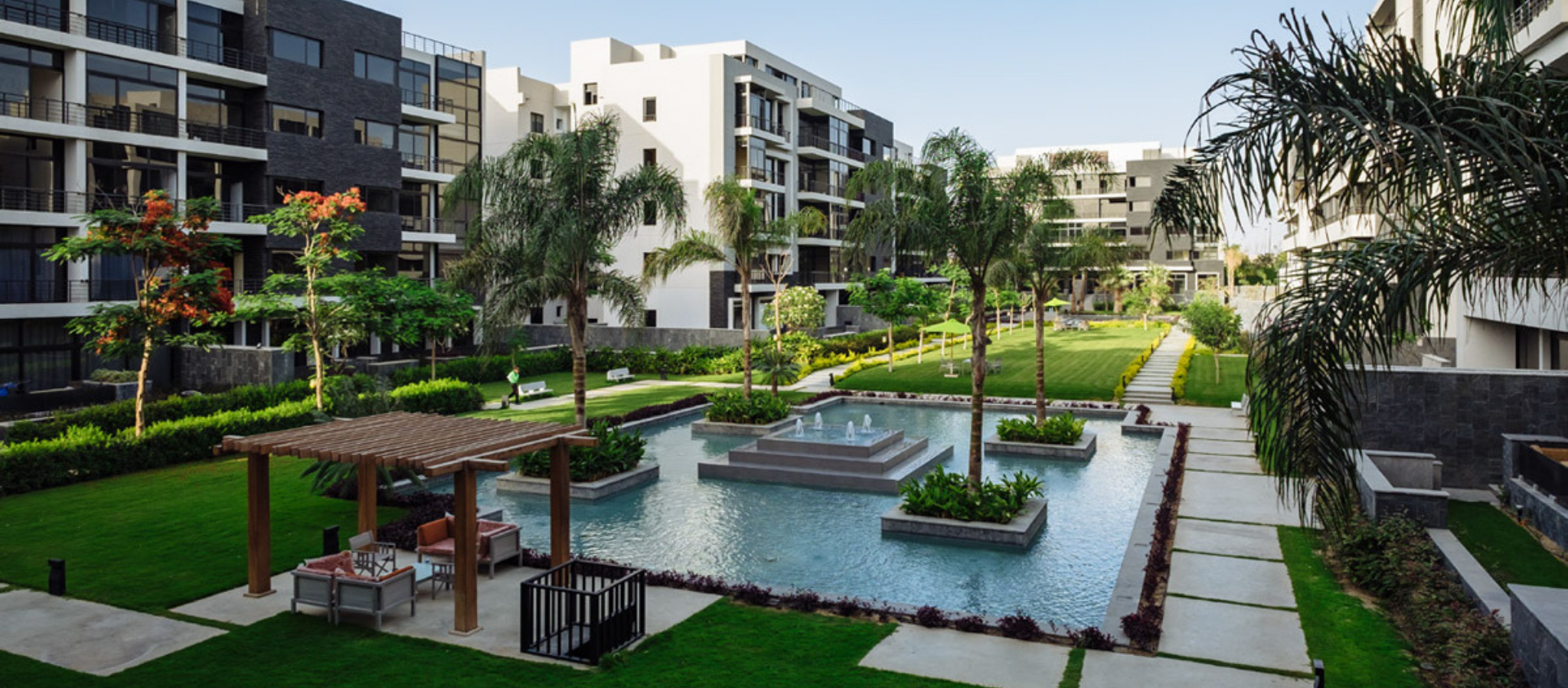
The interesting part is that sustainability is no longer separated from where and how people want to live. It is already influencing lifestyle expectations around neighborhoods, buildings, and cities. Not always through technical terms like carbon footprint, but through practical preferences like comfort, efficiency, and livability.
Young Egyptians care about housing in a way that goes beyond layouts and finishes. They care about how a place feels long-term. Is it breathable. Is it walkable. Is it connected. Is it exhausting. Is it designed for real life, or only for visuals. These questions naturally connect sustainability to real estate, even when people don’t explicitly call it sustainability.
Because sustainability in cities is not only about solar panels and green certificates. It is also about reducing the daily friction of life. Less wasted time in traffic. Better planning. Cleaner environments. Smarter infrastructure. Better community design. When young Egyptians talk about “quality of life,” sustainability is already inside that phrase, whether they label it that way or not.
This is exactly why sustainability will continue to grow as a youth topic in Egypt. It is not a passing phase that disappears when the trend cycle changes. It is tied to basic expectations about how life should work.
The next wave will be about demand
The most important shift is that young Egyptians are moving from awareness to standards. They are not only asking people to care about the environment. They are starting to expect better behavior from brands, better planning from developers, and better living conditions from the spaces they spend money on. That is where sustainability becomes powerful, when it moves from being a belief into being a demand.
And unlike older generations, younger Egyptians are comfortable expressing that demand publicly. They talk about it online. They share opinions. They support brands that align with their values. They critique choices that feel wasteful. This public pressure shapes markets faster than people realize.
Over time, this will influence real estate too. Not through slogans, but through preferences that gradually become normal. Features that feel efficient. Communities that feel breathable. Locations that reduce daily stress. Developments that feel designed for long-term living, not seasonal marketing.
Final thought
Young Egyptians are passionate about sustainability because it makes sense in their reality. Egypt’s youth base is large, which turns youth attitudes into national momentum. Climate anxiety is not theoretical, it is connected to lived experiences that affect comfort and future expectations. And environmental action feels increasingly real because it has structure, participation pathways, and community energy.
Sustainability is no longer a distant ideal. It is becoming part of how young Egyptians think about the future, and part of how they define what a good life should look like in the cities they live in.