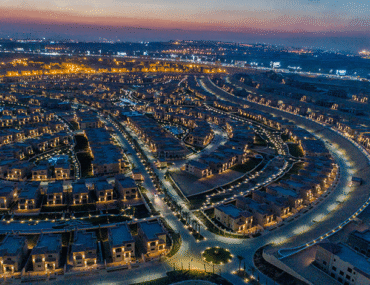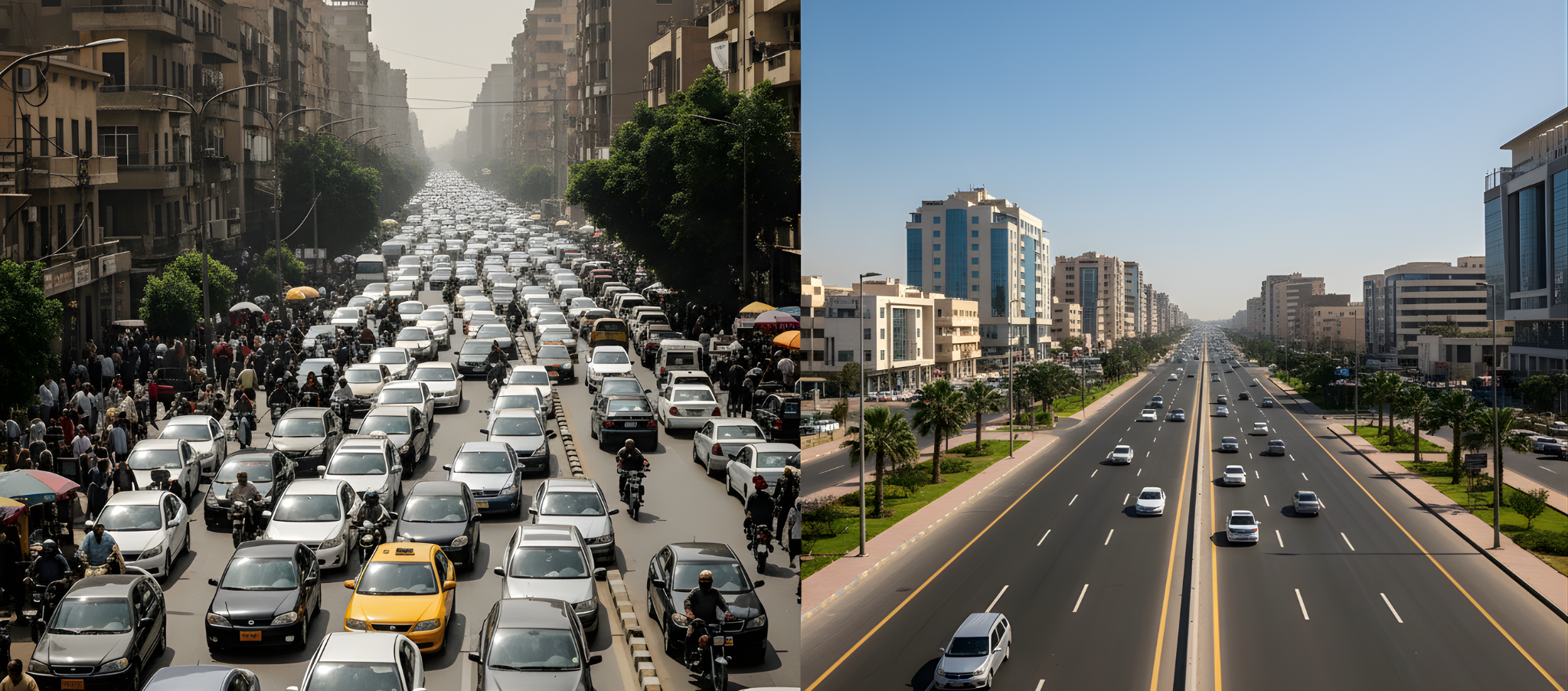
Traffic rarely feels like a life decision. It feels like a daily inconvenience, something people complain about, adapt to, and move on from. Yet over time, traffic has become one of the most influential forces shaping how people live, work, and choose their homes.
Without making headlines, traffic patterns are quietly redefining priorities. They influence where people are willing to live, how much they value proximity over space, and what “convenience” really means in modern urban life. From a real estate perspective, traffic is no longer just an infrastructure issue, it is a lifestyle determinant.
Commute Time Is Becoming a Lifestyle Metric
For many buyers, commute time has replaced distance as the primary consideration. Living 20 kilometers away no longer matters as much as how long those kilometers take during peak hours.
What used to be an acceptable one-hour commute is now seen as a daily cost, not just in time, but in energy and mental load. Buyers are increasingly calculating how traffic affects their mornings, evenings, and overall quality of life.
This shift has changed how people evaluate locations. Areas once considered “far but affordable” are being reassessed, while centrally located or well-connected neighborhoods gain renewed appeal, even if unit sizes are smaller or prices are higher.
Traffic has effectively turned time into a form of currency, and buyers are deciding how much of it they are willing to spend every day.
Home Choices Are Adapting to Daily Movement
Traffic does not only affect where people live, but how they use their homes. Long, unpredictable commutes have increased demand for layouts that support hybrid work, flexible spaces, and quieter environments.
Buyers now look for homes that can absorb more of their daily life. A second bedroom becomes a workspace. A balcony becomes a decompression zone. Natural light and ventilation are valued more because people are spending more hours at home, not by choice, but by necessity.
Developments that acknowledge this shift, through smarter layouts and community planning, tend to resonate more strongly with modern buyers. Traffic has made the home a more central part of daily life, not just a place to return to.
Location Is Being Redefined by Access, Not Distance
Traditional location value was often defined by proximity to city centers. Today, access matters more than absolute distance. Roads, transportation links, and traffic flow now define how “close” a place really is.
A neighborhood with multiple entry points, smoother traffic flow, or proximity to main arteries can outperform a closer but congested area. Buyers are increasingly aware of this difference, even if they do not articulate it in technical terms.
This has led to more nuanced location decisions. Instead of asking how far a property is from work or schools, buyers ask how long it takes at different times of day. Morning traffic, evening congestion, and weekend movement patterns all factor into the decision.
Traffic has turned maps into timelines.
Traffic Pressure Is Influencing Rental Demand
In the rental market, traffic plays an even more immediate role. Renters often prioritize flexibility and convenience, and heavy traffic can quickly make a location undesirable.
Areas closer to employment hubs, business districts, and universities tend to maintain stronger rental demand, even during broader market fluctuations. Tenants are often willing to pay a premium to reduce commute stress, especially when public transport options are limited.
At the same time, locations with poor traffic access may experience higher tenant turnover, as renters reassess their choices after experiencing daily congestion. For landlords and investors, traffic patterns are becoming an important factor in assessing long-term rental stability.
Family Decisions Are Shaped by Daily Routes
For families, traffic affects more than work commutes. School runs, extracurricular activities, medical appointments, and family routines all depend on predictable movement.
Parents increasingly factor traffic into decisions about school selection and home location simultaneously. A shorter distance to school does not help if the route is congested every morning. As a result, areas near schools, services, and daily necessities become more attractive, even if housing options are limited.
This has strengthened demand for self-contained communities where daily needs are closer together. Traffic pressure makes convenience not just desirable, but essential for family life.
Mental Load Is Becoming a Property Consideration
One of the most understated impacts of traffic is psychological. Daily congestion adds stress, unpredictability, and fatigue. Over time, this mental load influences how people feel about their homes and neighborhoods.
A home that requires navigating heavy traffic every day can feel less like a refuge and more like part of the problem. Buyers are becoming more sensitive to this, even if they do not express it explicitly.
Quiet streets, easier access, and smoother routes contribute to a sense of control and calm. These qualities increasingly influence buyer perception and satisfaction, reinforcing the idea that real estate value is not only about physical features, but about how a place feels within daily life.
Developers Are Responding, Subtly
While traffic is largely an urban planning issue, its effects are shaping how developers approach new projects. There is growing emphasis on access points, internal road networks, and proximity to essential services.
Some developments position themselves around ease of entry and exit rather than distance alone. Others focus on mixed-use concepts that reduce the need for daily travel altogether.
These shifts are rarely marketed explicitly as “traffic solutions,” but they reflect an understanding that buyers are thinking differently about movement and time.
Information Is Becoming More Valuable Than Ever
As traffic increasingly shapes housing decisions, access to clear, accurate listing information becomes critical. Buyers want to compare locations realistically, understand surrounding infrastructure, and assess how a property fits into their daily routines.
Using trusted property platforms like Bayut helps buyers explore listings with better context, compare areas, and make decisions based on real lifestyle considerations, not just price or visuals.
In a market where daily movement matters as much as square meters, clarity empowers better choices.
A Quiet Force With Lasting Impact
Traffic does not announce itself as a major life factor, yet it shapes daily decisions more than many realize. It influences where people live, how they structure their days, and what they expect from their homes.
From a real estate perspective, understanding traffic is no longer optional. It is part of understanding value, demand, and long-term satisfaction.
As cities grow and routines evolve, traffic will continue to quietly reshape the way people choose their homes, not through dramatic shifts, but through thousands of daily moments that add up to one simple question, is this place worth the journey.




 as a preferred source on Google