What Buyers Need to Understand
If you’re watching the property market going into 2026, you’re probably asking the same question everyone is asking, but in a different way. Are prices still going up, or are we finally entering a calmer phase where buyers can breathe, compare, and negotiate without feeling like every deal will disappear overnight?
The honest answer is that 2026 will not be one clean story. It will not be a year where everything rises aggressively, and it will not be a year where the market suddenly “corrects” and drops across the board. What is more likely is a mixed reality that many buyers will feel clearly. Prices will keep rising in some segments, while stabilizing in others, and the difference will come down to very specific factors like supply volume, construction costs, liquidity, and the type of buyer driving demand.
This is why the best way to understand 2026 is to stop looking for one outcome and start looking at what decides the outcome.
The simple answer: both will happen, depending on the segment
In many parts of the market, price increases are still expected. Not because demand is exploding everywhere, but because the cost of creating new property is still rising. When replacement costs go up, developers adjust their price lists. And when developers keep moving upward, resale prices rarely go down unless there is a serious reason forcing sellers to accept less.
At the same time, the market is also showing signs of stabilization, especially in locations where supply is heavy and buyers have more choice than ever. Stabilization does not mean a price crash. It usually looks more subtle. Growth slows down, negotiations become normal again, and sellers who are priced too high stop getting the same level of attention they used to.
So in 2026, the real headline is not “prices will rise” or “prices will stabilize.” The real headline is selective movement, and buyers need to understand what drives that selectivity.
Why prices can still rise in 2026, even if buyers feel the market is slower
One of the biggest reasons prices can rise even during slower demand is construction economics. When building materials, labor, and land costs stay elevated, developers simply cannot keep prices flat forever. Even if the market is competitive, the baseline cost of delivering units pushes price lists upward over time. That is why new launch pricing often climbs steadily, and why buyers who wait too long sometimes return to find the “same unit” priced higher simply because the next phase has been repriced.
Another driver that keeps upward pressure alive is that real estate in many markets is not only a lifestyle purchase, it is also a store of value. When cash feels unstable long term, buyers move toward hard assets. This mindset does not disappear overnight. It creates steady demand even when sentiment is not overly optimistic, because people are not always buying out of excitement, they are buying out of protection.
That is why it is possible for prices to rise while the market still feels slower. You might see less chaos, fewer rushed decisions, and more comparisons between projects, but you can still see price lists climbing in the background.
Why stabilization is likely in 2026, and what it will look like in real life
Stabilization is most likely to happen where buyers have too many similar options. In areas where multiple compounds offer comparable layouts, similar finishes, and similar lifestyle promises, the buyer suddenly holds more power. When supply is abundant, demand becomes more selective, and that slows price growth naturally. In those cases, the market stops rewarding “any listing at any price,” and starts rewarding the listings that are priced correctly and positioned clearly.
Stabilization also becomes more visible in resale markets. Many sellers try to price resale units like brand new units, even when the unit has been used, needs upgrades, or is less attractive than newer phases. When that happens, listings sit longer. Buyers negotiate harder. And instead of quick transactions, the market moves with more friction. This does not always create big price drops, but it creates a ceiling, and that ceiling is what stabilization looks like.
Another factor that pushes stabilization is affordability pressure. Even if buyers still want property, the ability to pay matters. When liquidity is tight or financing is expensive, decision cycles become longer. Buyers still buy, but they spend more time comparing, waiting, and negotiating. That behavior slows down how quickly prices can climb.
The biggest factor that will separate “rise” from “stabilize” in 2026: supply
If there is one factor that will decide the direction in 2026 more than anything else, it is supply volume. Markets with limited supply in prime locations tend to stay resilient. When there are not many similar alternatives, prices can continue to move upward because buyers have fewer substitutes.
But markets that are flooded with similar units tend to stabilize because buyers can simply choose a different project. When substitution becomes easy, the seller loses leverage, and price growth slows down. That is why 2026 will feel like two markets happening at the same time, even inside the same city.
This is also why buyers should stop asking “is the market going up or down?” and start asking “how crowded is the market where I want to buy?”
What happens to negotiation power in 2026?
One of the most realistic shifts in 2026 is that negotiation returns, but in a different form. In many markets, you will not always see direct price cuts because sellers often resist dropping their listed numbers. Instead, you will see negotiation through structure. Better payment plans. Lower down payments. Added benefits. Flexible delivery terms. Extra value that acts like a discount without the headline number changing.
At the same time, buyers will become more confident in walking away. In competitive markets, the “fear of missing out” is weaker than before. Buyers have more listings to compare, more projects to choose from, and more patience to wait for the right opportunity. This alone supports stabilization, because demand becomes disciplined rather than reactive.
So even in areas where prices technically rise, the buyer experience can still feel calmer and more balanced, which is exactly what a stabilizing market looks like.
Where prices are more likely to rise in 2026
In 2026, prices are more likely to rise in prime pockets where supply is limited and demand is consistent. These are locations where people actually want to live, not just invest, and where infrastructure and lifestyle factors keep pushing long term appeal. Prices can also rise in projects with strong delivery credibility, because trust becomes a key differentiator when buyers have many alternatives.
Units that match real demand patterns will also outperform. Practical layouts. Livable sizes. Units that work for end users, not only for speculative buyers. In these segments, even moderate demand is enough to keep prices moving upward, because the product fits what the market actually wants.
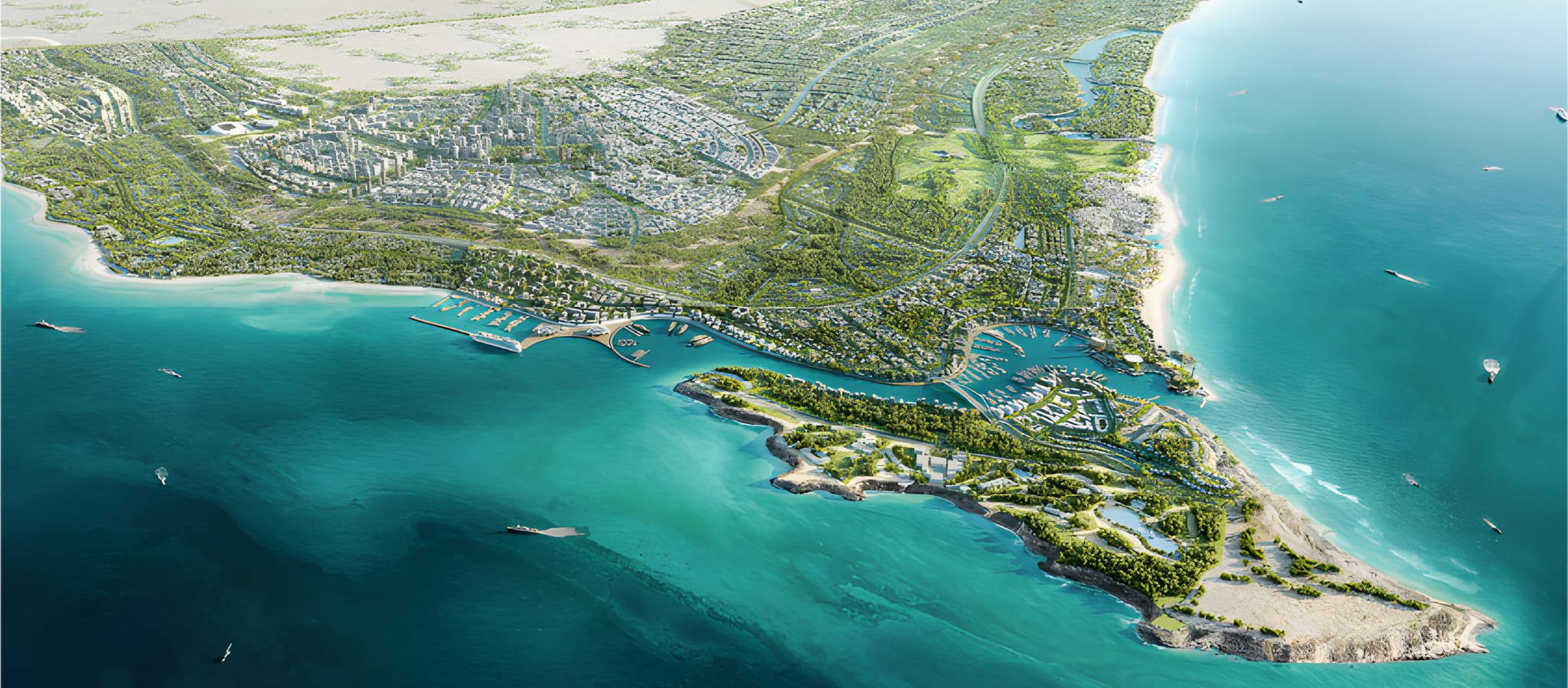
Coastal markets may also continue rising where destinations evolve beyond seasonal living. Places that attract year round activity, strong community services, and stable rental demand can keep their upward momentum, especially if they maintain brand strength and continuous development.
Where prices are more likely to stabilize in 2026
Stabilization is more likely in areas packed with new launches and similar offerings. When a buyer can compare ten similar options in the same radius, pricing stops being a one sided conversation. Projects that rely mainly on branding while being priced above realistic market behavior may also face slower growth, because buyers are becoming more value sensitive.
Resale units that are priced like brand new inventory are another place where stabilization becomes visible. If the resale pricing ignores wear, finishing needs, or outdated specs, the listing simply sits longer. That slows the market and forces either negotiation or patience. In 2026, patience becomes a cost sellers cannot always afford.
Markets that rely heavily on long installment cycles may also stabilize because buyers compare longer and negotiate more aggressively. The more time a buyer has, the more selective they become, and selectivity cools rapid price jumps.
What buyers should do in 2026
If you are buying in 2026, the smartest mindset is to treat the market like a segmented map, not a single story. Focus on the neighborhood or destination you want, then measure its supply, its demand type, and its pricing realism. Do not assume that what you hear about the market applies to every location.
You should also separate the “listed price” from the “real deal structure.” A listing might look expensive, but the payment plan might make it workable. A listing might look fair, but the actual delivery and value might not match. In 2026, the details matter more than the headlines because the market is moving with nuance, not with one direction.
Most importantly, buy based on your actual use case. If you are buying to live, optimize for livability and long term practicality. If you are buying as an investor, optimize for liquidity and rental demand. If you are buying a second home, optimize for destination strength and seasonal performance. The right property is not just the one that looks good today, it is the one that still makes sense when the market mood changes.
Final takeaway: 2026 will reward smart buying, not fast buying
Property prices in 2026 are likely to rise in some areas and stabilize in others, and that is exactly why buyers need to stop searching for one universal prediction. The market is moving into a phase where fundamentals and signals matter more than hype, and where price growth depends on supply pressure, construction costs, and buyer confidence.
If you want the simplest way to think about it, this is it. Prices may still climb, but the market will feel calmer. Stabilization will spread, but not everywhere. And buyers who understand where demand is real, where supply is crowded, and where value is clear, will be the ones who make the strongest decisions.
Explore homes on Bayut, compare neighborhoods and unit types, and shortlist homes that make sense for your goals, not just for the moment.