Winter changes the rhythm of Upper Egypt in a way no season can match. Luxor and Aswan, two of the world’s most iconic open-air museums, move from the intensity of summer heat to a comfortable, golden calm that feels almost designed for long walks, slow river journeys and deep encounters with history. The light becomes softer, the Nile becomes clearer, and the temples reveal details that often disappear under the brightness of warmer months.
Travelers who choose winter discover that these two cities are not only destinations. They are experiences shaped by temperature, atmosphere and the timeless feeling of standing somewhere humanity has passed through for thousands of years. Winter does not change the monuments. It changes how you see them, how long you stay with them and how much you absorb before you step back into modern life.
Winter is also the season when Luxor and Aswan reach their true potential for discovery. The weather encourages movement, early mornings, late afternoons and long hours spent outdoors. This is why planning a winter trip requires a different mindset. You do not rush. You learn how to let the cities unfold at their own pace.
Luxor in Winter: A City Built for the Season
Winter transforms Luxor into one of the most pleasant archaeological environments in the world. The cool mornings make it possible to explore sites that would otherwise be overwhelming under the sun. Travelers often begin with the West Bank where the Valley of the Kings, Hatshepsut’s Temple and the tombs of the nobles sit against the backdrop of cliffs carved by time.
The Valley of the Kings becomes especially rewarding in winter. Temperatures allow you to spend more time inside the tombs without discomfort, which means you can actually look rather than rush. Paintings appear sharper. Colors seem more alive. Guides can speak longer. Your attention stays centered on the stories of pharaohs instead of the heat.
Hatshepsut’s Temple, with its terraces and ascending lines, also feels different in winter. The mountain holds the cold air in the early morning, giving the entire space a soft light that highlights the geometry of the design. You see the structure, not just the scale. The same applies to the tombs of the nobles where smaller details, inscriptions and daily-life scenes are better absorbed when your mind is clear and relaxed.
Across the river, the East Bank offers a different mood. Karnak Temple becomes one of the most powerful winter experiences in Egypt. Walking through the Hypostyle Hall without the pressure of heat changes everything. You notice shadows, alignments and carvings that are usually ignored. Luxor Temple takes on a warm glow at sunset when the sky turns pale and the lamps illuminate the columns one by one. Winter evenings here feel cinematic, especially when the call to prayer echoes across the Nile.
Winter also allows Luxor to be enjoyed outside the monuments. Horse carriages move slowly through quiet streets. The souqs become more approachable. Cafés along the corniche feel inviting rather than intense. Even a simple ferry ride becomes part of the experience when the wind is cool and the water is calm.
Aswan: The Winter Capital of the South
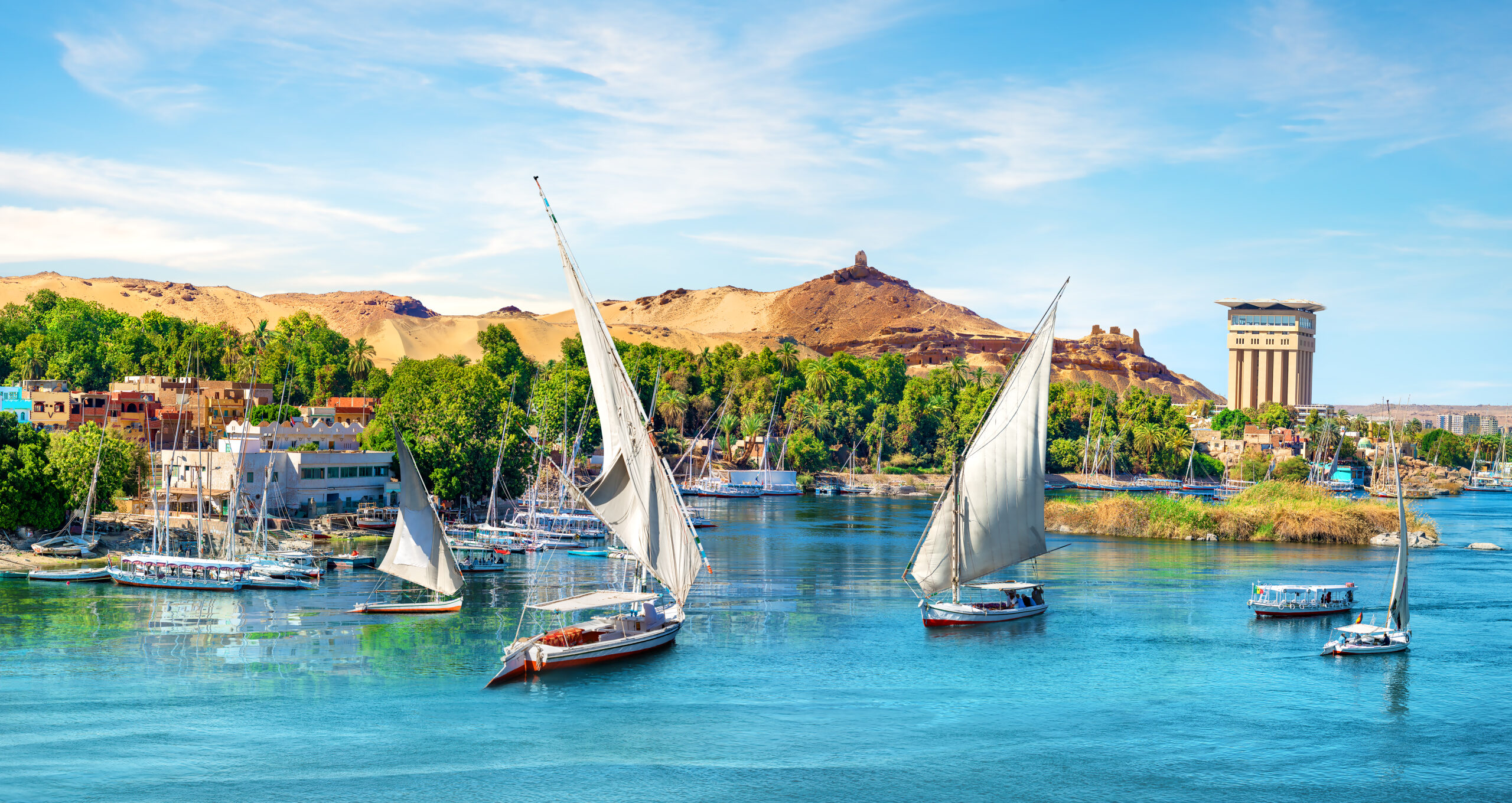
If Luxor offers depth, Aswan in winter offers serenity. The city becomes exactly what travelers imagine when they think of Upper Egypt: warm sun, gentle Nile, granite islands, palm-dotted banks and a rhythm that slows everything down. This is why Aswan is often called Egypt’s winter capital.
Philae Temple is one of the most magical winter sites in the country. Reaching it by boat is part of the experience. The water is cool and still, and the island appears slowly as if rising out of the Nile. Winter light emphasizes the carvings with sharp clarity. The temple becomes a quiet, intimate space where sound carries differently. You can spend long minutes in silence, something summer rarely allows.
The Nubian villages nearby also shine in winter. Their colors feel brighter under softer sun. Travelers often spend more time walking through alleys, talking to residents, sitting for tea and absorbing the cultural details that would feel rushed in any other season. The warmth of the people contrasts beautifully with the coolness of the weather, creating a balance that makes Aswan feel alive and grounded at the same time.
The High Dam, the Unfinished Obelisk and the various quarries become easier to explore as well. These sites require walking and open exposure, which winter supports. Even the boat rides to the botanical gardens on Kitchener’s Island gain an extra layer of comfort when the breeze is gentle and the paths are shaded by tall trees.
Aswan’s evenings are among the most pleasant in Egypt during winter. The air cools just enough to make outdoor dining ideal. Feluccas sail until late, creating a moving silhouette against the lights of the city. Travelers often describe Aswan in winter as a place where time slows but never stops. There is always something happening, but never in a hurry.
Planning a Winter Trip: How to Navigate Luxor and Aswan
Winter trips succeed when travelers embrace the natural rhythm of the season. Early mornings are key because the light is soft, sites are quiet and the temperature is perfect for movement. Afternoons are best for museums, markets or river journeys. Evenings should be reserved for walks, food and relaxed exploration.
Packing should reflect the range in temperature. Mornings can be cold, especially on the river, while afternoons remain warm. Layers solve the problem. A light jacket, comfortable shoes, a hat and a scarf offer flexibility. Sunscreen still matters even in winter because the UV index remains high in Upper Egypt.
Transport between the cities also becomes easier in winter. Trains are comfortable, short flights are frequent and Nile cruises operate at full season. Cruises are particularly rewarding because the weather allows you to stay on deck for long stretches. You see villages, farmers, boats and birds with a clarity that summer haze hides.
Photography becomes a major advantage during winter. The softer sun produces shadows that highlight carvings, reliefs and architectural lines. Colors appear richer. Landscapes become more layered. Even casual travelers notice the difference. Luxor’s sandstone temples and Aswan’s granite structures are at their best between December and February.
Why Winter Matters for Travelers and for Egypt
Winter is not just the best time to visit Luxor and Aswan. It is the season when these cities reveal their purpose. They are places where ancient civilization, natural landscape and modern life intersect. Winter gives travelers the patience to notice those intersections.
The season also supports Egypt’s tourism economy in a meaningful way. Luxor and Aswan rely on winter traffic to maintain their cultural institutions, preserve sites and support local communities. When travelers come during this season, they engage directly with the city’s rhythm. They stay longer, explore more deeply and contribute to the ecosystem that keeps these cities alive.
Winter travel also encourages a different type of tourism. It attracts people who care about cultural depth, authenticity, nature and calm exploration. These travelers leave with stories, not just photos. They become ambassadors for the region, expanding its global reputation and reinforcing its value.
Luxor and Aswan in winter remind the world that Egypt’s heritage is not only monumental. It is experiential. It is lived, walked, seen, touched and understood across time.
A Final Note on the Journey
A winter trip to Luxor and Aswan is more than a seasonal suggestion. It is an invitation to witness history in the exact environment that allows it to shine. Winter gives travelers the conditions to slow down and to look up. It transforms the Nile from a river into a narrative. It transforms temples from structures into experiences. It transforms Upper Egypt from a destination into a memory.
For those planning a journey, winter is not simply the best time. It is the right time.