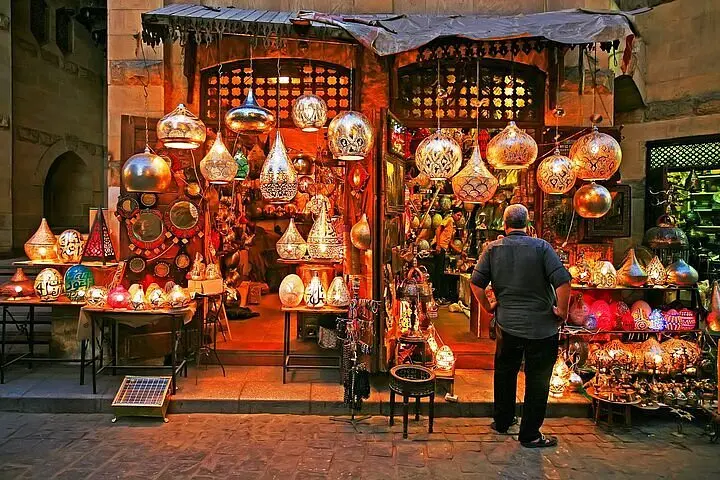
If you want to see a side of Cairo that feels far removed from its busy modern streets, Old Cairo is a good place to start. Known as Masr Al Qadima, this historic part of the capital brings together Roman ruins, Coptic churches, Islamic landmarks, traditional markets and centuries of Egyptian history.
A visit here is less about checking off one attraction and more about walking through an area where different chapters of Cairo’s history meet. From the ancient Babylon Fortress and the Hanging Church to the Mosque of Amr Ibn Al Aas and the old streets around Fustat, there is plenty to explore.
Old Cairo’s History
The story of Old Cairo goes back long before modern Cairo took shape. One of the area’s most important landmarks is the Babylon Fortress, built during the Roman period. Its remains still stand today alongside several important Coptic landmarks.
Later, after the Arab conquest of Egypt in the 7th century, Fustat Egypt was established nearby and became the first capital of Islamic Egypt. The famous Mosque of Amr Ibn Al Aas was built here, making the area an important religious and cultural centre.
Over the centuries, Old Cairo continued to develop around these historic settlements. This layered history is one reason the area feels different from other parts of the capital. You are not simply visiting individual monuments; you are walking through places connected to different chapters of Cairo’s past.
Where Is Old Cairo?
Old Cairo is located in the southern part of central Cairo, on the eastern bank of the Nile, close to Roda Island and the historic district of Fustat. It is also relatively close to several popular areas, making it easy to include in a wider Cairo sightseeing itinerary.
The exact travel time depends heavily on Cairo traffic, but as a general guide, Old Cairo is around:
- 5 to 7 km from Downtown Cairo
- 7 to 10 km from Zamalek
- 8 to 12 km from Mohandseen
- 10 to 15 km from Maadi Cairo
- 10 to 15 km from the Giza Plateau, depending on your route
For visitors staying in central Cairo, Old Cairo can therefore be combined with other historic attractions on the same day. If you are staying in Maadi, you are also relatively close to the area. Visitors looking for accommodation can explore the prices of units for Rent in Maadi listed on Bayut.
Old Cairo on the Map
Looking at an Old Cairo map can make the area easier to understand because its attractions are spread across several historic pockets rather than forming one single sightseeing complex.
Coptic Cairo is concentrated around the Babylon Fortress, while Fustat lies further south. Roda Island is nearby, separated from Old Cairo by the Nile, while areas such as Sayeda Zeinab, Maadi and central Cairo are within relatively easy reach by road.
If this is your first visit, it is worth planning your route before arriving. That way, you can group nearby attractions together instead of spending too much time crossing Cairo between individual sites.
Browse the Prices of Units for Rent in Mohandseen listed on Bayut
Hotels in and Around Old Cairo
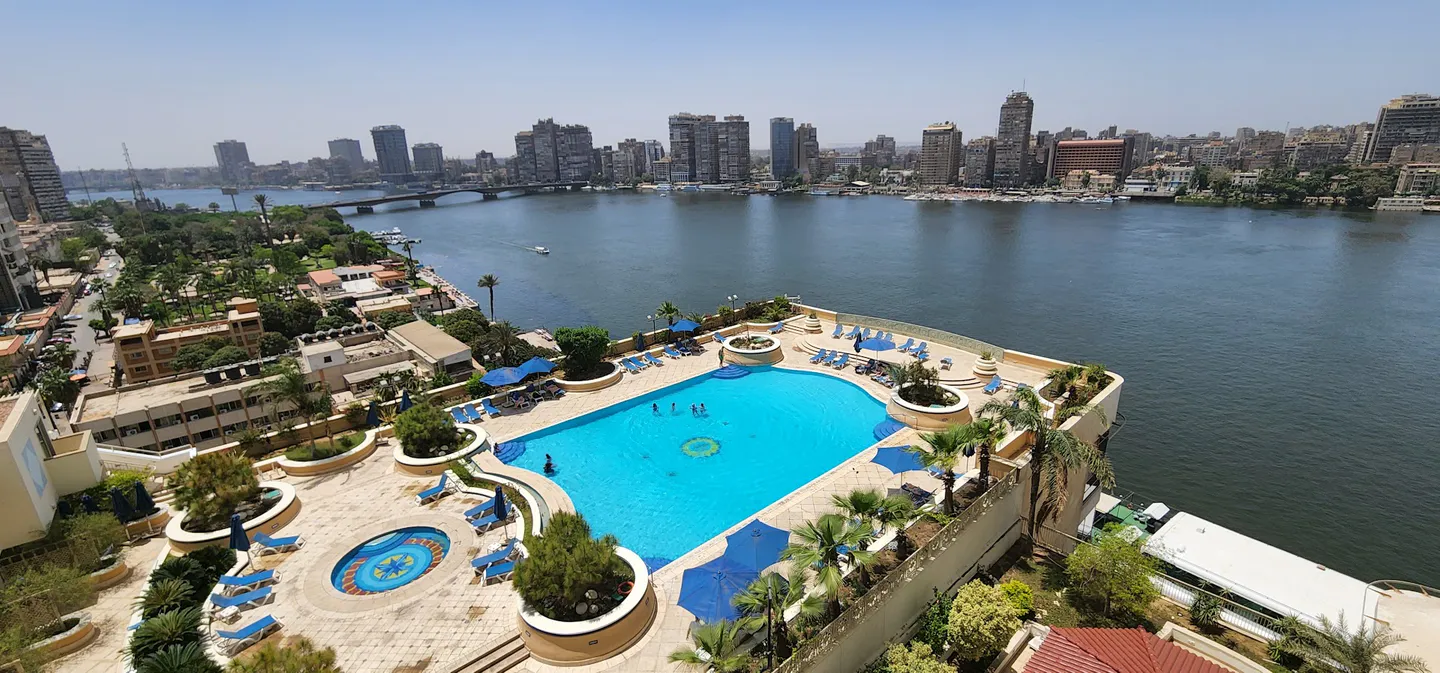
If you are searching for old Cairo hotels, you have several options in and around the historic district. Staying nearby can be convenient if Old Cairo and Fustat are a major part of your Cairo itinerary, while hotels in Downtown, Garden City, Zamalek and Maadi can work well if you also want to explore other parts of the capital.
- Jewel Alfustat Hotel is one of the most direct options for visitors who want to stay in the Old Cairo area. Located in Fustat, the hotel has an outdoor pool, garden, terrace and restaurant, and it puts you close to the historic attractions of the district.
- Nile Suites Plaza Apartments is another option in the Old Cairo area, particularly suitable for travellers who prefer apartment-style accommodation. It is located on the Nile Corniche near Athar an Nabi and offers spacious apartment accommodation.
- Hilton Cairo Grand Nile is located on the Nile Corniche in Old Cairo and offers a more traditional full-service hotel experience. Its riverside location also makes it convenient for travellers who want to combine Old Cairo sightseeing with time along the Nile.
- Nile View Inn is another hotel in Old Cairo, located on Abdulaziz Al Saud Street. Its location near the Nile makes it an option for travellers looking for accommodation in the wider Old Cairo area.
- Hilton Cairo Nile Maadi is in Maadi on the Nile Corniche and is listed within the Old Cairo district by hotel booking platforms. It can be particularly convenient for visitors combining Old Cairo with Maadi and southern Cairo.
- Four Seasons Hotel Cairo at The First Residence is located on Giza Street, close to the Nile and relatively near Old Cairo. It is another option if you want to combine historic sightseeing with access to Giza and central Cairo.
- For travellers who prefer staying in El Zamalek Area, Cairo Marriott Hotel and Novotel Cairo El Borg are established options on Gezira Island. Zamalek is farther from Old Cairo than the hotels within the historic district, but it offers plenty of restaurants, cafés and Nile views.
- For a more central location, InterContinental Cairo Semiramis by IHG is on the Nile Corniche near Downtown Cairo, making it useful for visitors who want to combine Old Cairo with Tahrir Square and other central attractions.
Check the Prices of Units for Rent in El Zamalek Cairo listed on Bayut
7+ Things to Do in Old Cairo
The best way to explore Old Cairo is to allow enough time to walk between attractions rather than treating the visit as a quick stop. Three to four hours can cover the main sights, while a half-day gives you more time to visit museums, explore Fustat and stop for food or coffee.
1. Explore Coptic Cairo
Start around the historic Coptic quarter, where several important religious landmarks are located close to one another. The Hanging Church, Coptic Museum, Church of St. Sergius and St. Barbara Church are among the main places to see.
The area is particularly rewarding for visitors interested in architecture and religious history because many of the buildings have been rebuilt or restored over centuries.
2. Walk Through the Babylon Fortress Area
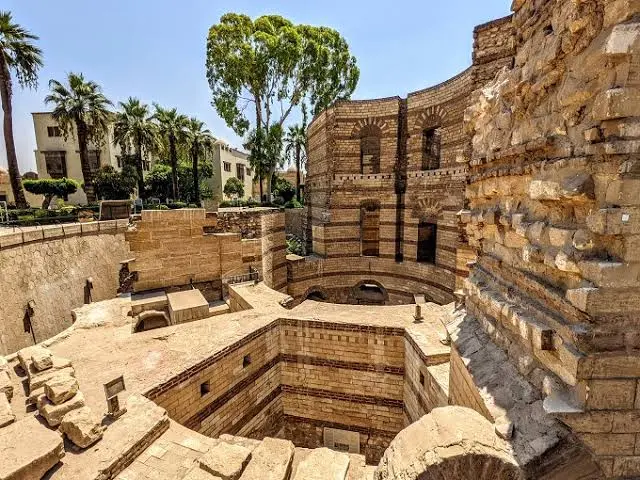
The remains of Babylon Fortress provide an important connection to Old Cairo’s Roman and Byzantine past. Rather than expecting a completely preserved fortress, visitors will see surviving sections integrated into the surrounding historic district.
Allow some extra time here because several major Coptic attractions are located around the same area.
3. Visit the Coptic Museum
The Coptic Museum is useful if you want more context before or after visiting the churches. Its collection includes religious manuscripts, icons, textiles, architectural elements and other objects that help explain the development of Coptic art and culture in Egypt.
For first-time visitors, combining the museum with the nearby churches makes the history easier to understand than visiting either separately.
4. Visit the Hanging Church
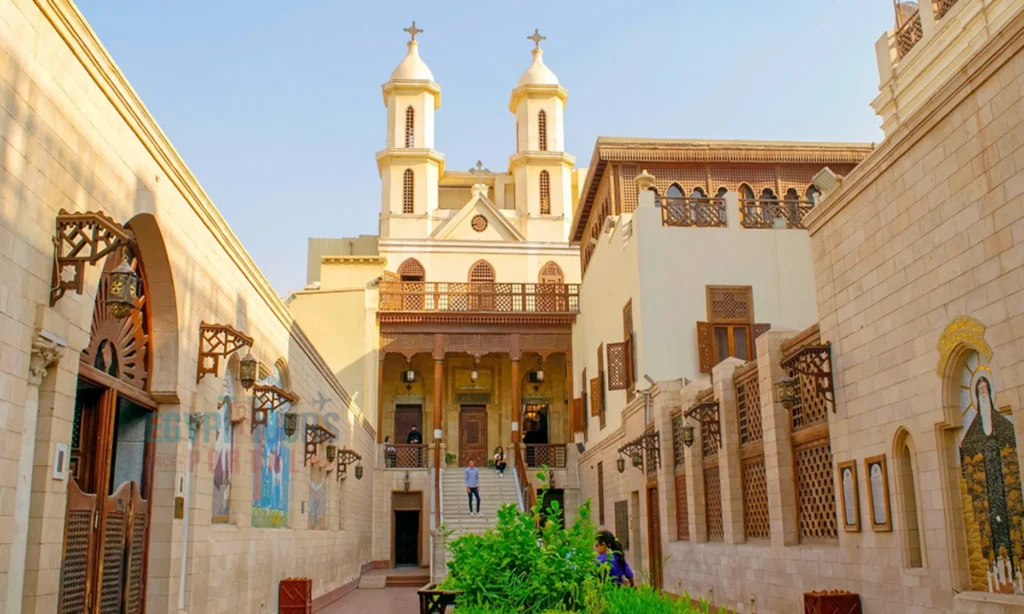
The Hanging Church, officially the Church of the Virgin Mary, is one of the most recognisable landmarks in Coptic Cairo. It was built above the southern gate of Babylon Fortress, which explains its unusual elevated position.
Take a little time to look at the wooden screens, religious icons and architectural details inside. The church is still an active place of worship, so visitors should dress respectfully and be mindful of services.
5. Step Inside the Church of St. Sergius and Bacchus
Also known as Abu Serga, this historic church is one of the highlights of Coptic Cairo. According to Christian tradition, the Holy Family stayed in the area during their journey through Egypt.
The church is particularly interesting for visitors who want to understand the religious history behind Coptic Cairo rather than simply photographing its architecture. Its underground crypt is also one of the features that makes the visit memorable.
6. See the Ben Ezra Synagogue
The Ben Ezra Synagogue adds another layer to Old Cairo’s history. Located within the Coptic Cairo complex, it reflects the area’s former Jewish community and its long history of religious diversity.
The building has been restored and is visited today mainly as a historical and cultural site. Combining it with the nearby churches is an easy way to see several major heritage sites without travelling between different parts of Cairo.
7. Visit the Mosque of Amr Ibn Al Aas
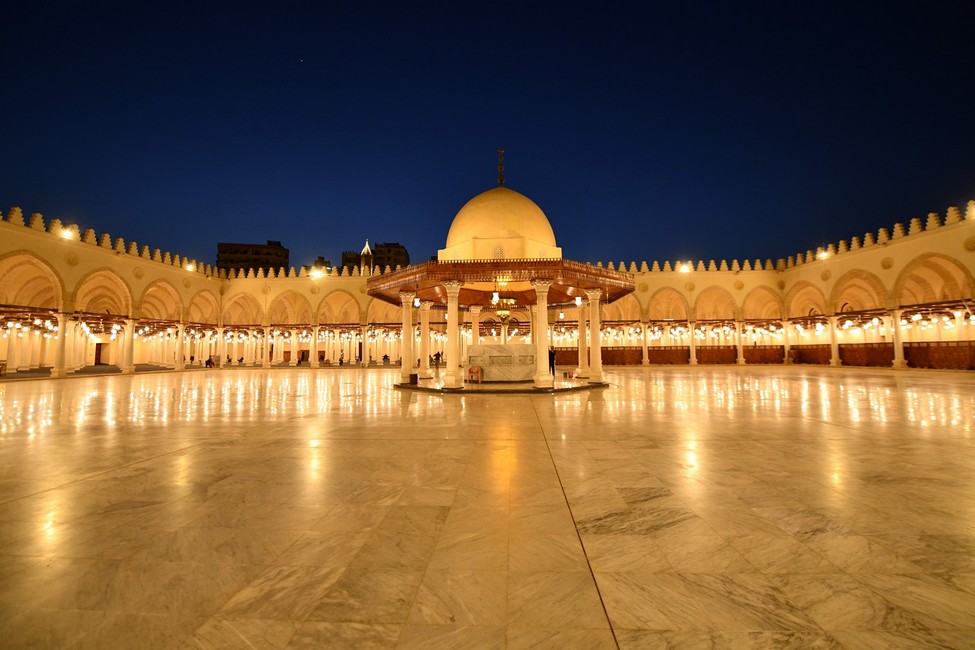
After exploring Coptic Cairo, head towards Fustat to see the Mosque of Amr Ibn Al Aas. The mosque dates back to the foundation of Fustat in the 7th century and is traditionally regarded as the first mosque built in Egypt and Africa.
The building has undergone numerous changes and reconstructions throughout its history, so what you see today is not the original structure. Even so, its historical importance makes it one of the places worth including on an Old Cairo itinerary.
Visitors should remember that this is an active mosque. Modest clothing and respectful behaviour are appropriate, particularly during prayer times.
8. Visit National Museum of Egyptian Civilization
The National Museum of Egyptian Civilization, commonly known as NMEC, is in nearby Fustat. It is particularly known for presenting Egyptian history across different periods rather than focusing on only one era.
One of its most famous displays is the Royal Mummies Gallery. If you have several hours available, combining NMEC with Old Cairo gives you a broader understanding of Egypt’s history, from ancient civilisation through later periods.
New Places to Hang Out in Old Cairo
Old Cairo is no longer only about ancient churches, mosques and museums. The Fustat area has been developing into a broader leisure destination, with landscaped public spaces, lakes, parks, craft markets and promenades. This makes it possible to combine sightseeing with a relaxed afternoon or evening outdoors.
Fustat Park
- Location: Salah Salem Street, Ad Deyorah, Old Cairo
- Opening hours: Current listings show around 8:00 AM to 9:00 PM on most days, with Friday extending to 11:00 PM
Fustat Park is another option for visitors who want more open space after spending time around the historic monuments. The wider Fustat Hills development is planned as a large cultural and recreational destination incorporating green areas, traditional crafts, cultural activities and views over parts of Cairo.
Magra El Oyoun Promenade
- Location: Along Magra El Oyoun, extending through Historic Cairo
- Opening hours: No fixed official visitor hours have been published for the promenade
- Ticket: No general entrance ticket is currently listed for walking along the public promenade
- Best time to visit: Late afternoon and evening, particularly if the restored lighting is operating
- Best for: Walking, photography and seeing a less traditional side of Historic Cairo.
Magra El Oyoun aqueduct (Fum al Khalig) is one of the more interesting additions for visitors who enjoy walking and photography. The historic aqueduct once carried Nile water towards the Citadel and stretches between the Fom El Khalig area of Old Cairo and the direction of Sayeda Aisha.
The first phase of the recently restored tourist walkway extends for about 1 kilometre from Sayeda Aisha Square towards Al Moqattam Hospital. Restoration included cleaning the aqueduct, opening blocked arches and adding heritage-style lighting to the pedestrian area. A second phase is currently being developed as part of the wider project.
Souq El Fustat
- Location: Corner of El Imam Street and Hassan Al Anwar Street, Old Cairo
- Opening hours: Approximately 10:00 AM to 8:00 PM
- Ticket: Free entrance to the market
Souq El Fustat is a good stop if you want to take home something made in Egypt rather than a typical tourist souvenir. The market is located at the corner of El Imam Street and Hassan Al Anwar Street and focuses on Egyptian handicrafts and traditional products. Current listings show opening hours of approximately 10:00 AM to 8:00 PM daily.
It works particularly well as part of a Fustat route because you can combine it with the Mosque of Amr Ibn Al Aas, Ain El Sira Lake and NMEC rather than travelling there separately.
Frequently Asked Questions About Old Cairo
When Is the Best Time to Visit Old Cairo?
The cooler months from October to April are generally more comfortable for walking around Cairo. During summer, mornings or late afternoons are preferable because the heat can make walking between attractions tiring.
It is also worth checking the opening hours of individual museums and heritage sites before setting out, particularly if you are building your itinerary around a specific attraction.
For photography, early morning usually provides a quieter atmosphere and softer light. It also gives you more comfortable conditions for walking through the historic streets.
Is Old Cairo Worth Visiting?
For travellers interested in Egyptian history, religious heritage, architecture and traditional neighbourhoods, Old Cairo offers a chance to see several layers of the city’s past within one trip.
The biggest advantage is the variety. In a single visit, you can see Roman-era remains, Coptic churches, a historic synagogue, one of Egypt’s oldest mosques, traditional crafts and the remains of Fustat.
Rather than trying to see everything in one rushed visit, choose a few key attractions and leave time to walk between them. That is often when Old Cairo becomes more interesting than it first appears.
Where is the old city in Cairo?
Old Cairo, or Masr Al Qadima, is in southern Cairo on the eastern bank of the Nile, around Coptic Cairo and Fustat. It is close to Roda Island and relatively near Maadi, Downtown Cairo and Sayeda Zeinab.
What is the old part of Cairo called?
The historic area is commonly known as Old Cairo or Masr Al Qadima.
Are Old Cairo and Coptic Cairo the same?
No. Coptic Cairo is a historic part of Old Cairo, particularly associated with the churches, Babylon Fortress, Coptic Museum and Ben Ezra Synagogue. Old Cairo is broader and also includes Fustat and other historic sites.
What are the main attractions in Old Cairo?
The main attractions include the Hanging Church, Coptic Museum, Babylon Fortress, Church of St. Sergius and Bacchus, Ben Ezra Synagogue, Mosque of Amr Ibn Al Aas, Fustat and the nearby National Museum of Egyptian Civilization.
Explore Old Cairo and Discover More with Bayut
Old Cairo is more than a collection of historic landmarks. From the remains of Babylon Fortress and the churches of Coptic Cairo to Fustat, the Mosque of Amr Ibn Al Aas and the nearby National Museum of Egyptian Civilization, the area offers a fascinating look at the different cultures and periods that shaped Cairo.
Whether you have a few hours or a full day, take your time exploring the historic streets, visiting the museums and religious sites, and stopping for traditional food along the way. Once you have explored Old Cairo, you can continue your trip towards Islamic Cairo, Khan El Khalili, Downtown or other neighbourhoods across the capital.
Planning to spend more time in Cairo? Explore Bayut Egypt to discover properties and learn more about the city’s neighbourhoods, from historic districts to modern communities




 as a preferred source on Google