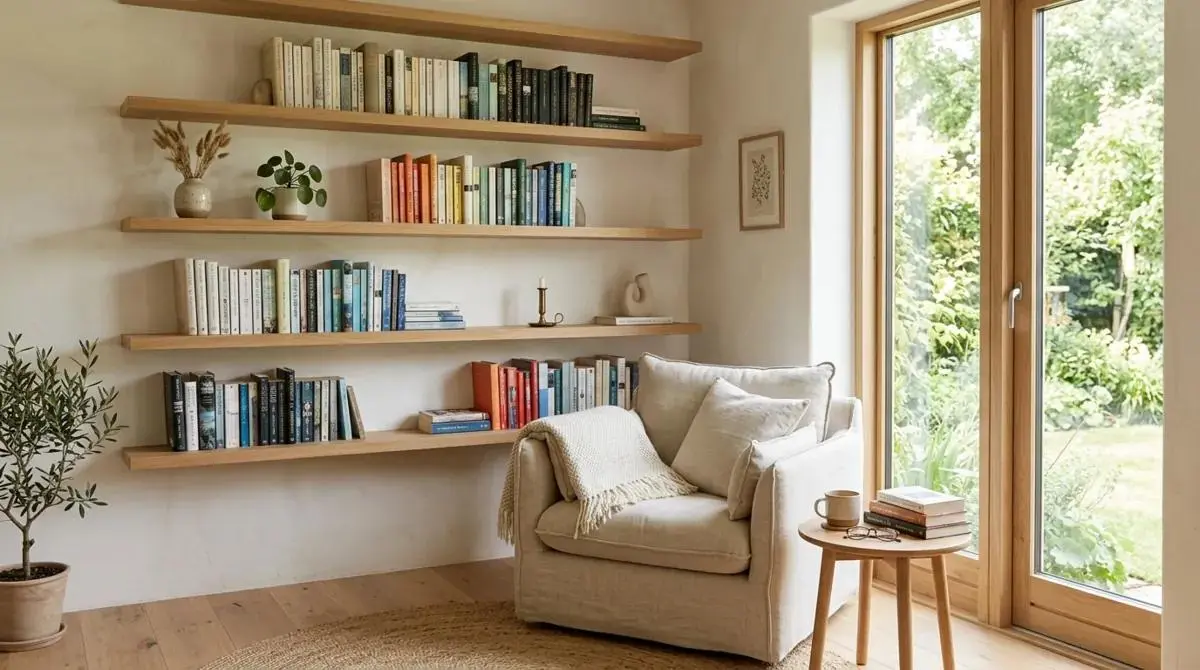
Living in a tiny house or a compact apartment doesn’t mean you have to sacrifice comfort, style, or storage. In fact, a small home can feel surprisingly spacious when every corner has a purpose and your furniture works as hard as you do.
The secret? It’s not about squeezing more things into less space. It’s about making smarter choices.
Whether you’re furnishing your first apartment, organizing a tiny house, or trying to make a small bedroom feel less cramped, a few clever changes can transform the way you use your home.
From multifunctional furniture and hidden storage to space-saving kitchen ideas and bathroom organization, there are plenty of ways to create a home that feels bigger without knocking down walls.
Ready to make every square foot count? Here are practical, creative ways to make the most of small home spaces without spending a fortune.
1. Choose Multifunctional Furniture That Does More

Why buy furniture that serves only one purpose when a single piece can do two or three jobs? In a tiny house, multifunctional furniture is one of the easiest ways to save space without giving up the things you need.
Instead of filling a room with separate pieces, look for furniture that adapts to your daily routine.
Here are a few smart options:
- Sofa beds: Turn your living room into a guest bedroom whenever you need extra sleeping space.
- Storage beds: Use the space beneath your mattress for spare bedding, seasonal clothes, shoes, or luggage.
- Nesting tables: Pull them out when guests arrive and tuck them away when you need more floor space.
- Extendable dining tables: Keep the table compact for everyday meals and expand it when friends or family come over.
- Storage ottomans: Get extra seating, a footrest, and a place to hide blankets, books, or everyday clutter.
- Fold-down desks: Create a home office in a bedroom or living area, then fold it away when your workday ends.
Pro tip: Before buying anything, measure your available space and check how much room the furniture needs when fully opened. A sofa bed might look perfect against the wall, but not if unfolding it blocks the only walkway.
Learn about New Cairo City and its prices listed on Bayut
2. Use Your Walls to Create More Storage

When floor space is limited, look up. Your walls can provide valuable storage without making your home feel as crowded as another bulky cabinet might.
Vertical storage is especially useful in tiny houses, where even a small amount of extra floor space can make everyday movement easier.
Try these ideas:
- Install floating shelves for books, plants, decorative objects, and everyday essentials.
- Choose tall cabinets that extend toward the ceiling to make use of otherwise wasted vertical space.
- Hang hooks and rails in the kitchen, entryway, or bathroom to keep frequently used items within reach.
- Mount a desk on the wall to create a compact workspace without the footprint of a traditional desk.
- Use wall-mounted TV units to free up floor space and keep cables and electronics organized.
- Add shelves above doorways for items you rarely need, such as spare towels or storage boxes.
The trick is to keep things balanced. Filling every inch of wall space can make a small room feel overwhelming, so combine open shelving with closed storage and leave some areas clear.
3. Turn Awkward Corners Into Useful Spaces

That empty corner beside your window or the narrow space behind a door might seem too small to matter. But these overlooked areas can solve some of your biggest storage problems.
Instead of adding more furniture to the middle of a room, look for unused corners that could serve a practical purpose.
Here are some ideas worth trying:
- Create a reading nook: Add a compact chair, a wall-mounted lamp, and a narrow shelf near a window.
- Build a mini home office: Fit a small desk and vertical shelving into an unused corner.
- Organize your entryway: Use a slim shoe cabinet, a wall hook rack, or a narrow bench with hidden storage.
- Add corner shelves to your kitchen: Keep spices, mugs, or cooking essentials organized without taking up valuable counter space.
- Use the space behind doors: Install hooks for bags, coats, towels, or cleaning supplies.
A useful rule: Give every corner a job, but don’t feel the need to fill every empty space. Sometimes, leaving a corner open makes a room feel more relaxed and spacious.
Looking for a unit with a competitive price? Check El Shorouk City and its listings on Bayut
4. Make Small Home Spaces Feel Bigger With Mirrors and Lighting

You might not be able to increase the actual size of your home, but you can change how spacious it feels. Mirrors, natural light, and thoughtful color choices can make a compact room feel brighter and more open.
Here’s how to make them work for you:
- Place a large mirror near a window. It reflects natural light and can create the illusion of greater depth.
- Choose light wall colors. Soft white, warm beige, and pale gray can help a room feel brighter.
- Layer your lighting. Combine ceiling lights with floor lamps, bedside lights, or under-cabinet lighting to brighten darker corners.
- Keep windows clear. Lightweight curtains allow more daylight into the room than heavy, dark window coverings.
- Use a consistent color palette. Repeating a few complementary colors across walls, furniture, and accessories creates a more cohesive look.
You don’t have to avoid dark colors completely. A navy accent wall, dark cushions, or rich wood furniture can add character. The key is balancing darker elements with enough light and visual breathing room.
5. Create Separate Zones Without Building Walls

If your living room doubles as your dining room, home office, or bedroom, you don’t need a separate room for every activity. You simply need a clear way to define each area.
Smart zoning helps a small home feel organized without making it look divided into tiny boxes.
Try these simple solutions:
- Open shelving: Separate the living area from your workspace while keeping light flowing through the room.
- Glass partitions: Create privacy between sleeping and living areas without blocking as much natural light as a solid wall.
- Curtains: Hide a sleeping area when guests visit and open it up when you want more space.
- Area rugs: Define a seating or dining area without adding physical barriers.
- Lighting: Use a pendant light over the dining table and a floor lamp beside the sofa to give each zone its own identity.
- Furniture placement: Position the back of a sofa toward the dining area to create a natural boundary.
For the best results, keep pathways clear and avoid oversized dividers. The goal is to make your home feel more organized, not smaller.
If you prefer to live in a small home, you can check out El Maadi Area and its cozy homes!
6. Declutter First, Then Find Better Storage Solutions

Here’s something worth remembering: sometimes, the problem isn’t that your home is too small. It’s that too many things are competing for the same space.
Before buying another organizer or storage cabinet, take a closer look at what you already own. Getting rid of unused items can free up more room than you might expect.
Follow these steps to make decluttering easier:
- Start with one small area. Choose a drawer, shelf, or kitchen cabinet instead of trying to organize the entire home in one day.
- Sort items by category. Group similar things together so you can see what you own and identify duplicates.
- Store seasonal belongings elsewhere within your home. Use under-bed boxes or high shelves for winter clothes, spare bedding, and other occasional items.
- Use drawer dividers and labeled containers. These make it easier to find things without emptying an entire drawer.
- Keep frequently used items accessible. Store everyday essentials at eye level and move rarely used belongings to higher shelves.
- Give everything a designated place. Make it easy to put things away instead of leaving them on counters, tables, or chairs.
One helpful habit is to review your belongings whenever you bring something new home. If you already own an item that serves the same purpose, consider whether you really need both.
A tidy home doesn’t have to look empty or minimalist. It simply needs a storage system that works for your lifestyle.
7. Choose Furniture That Fits Your Room, Not Just Your Style

That oversized sofa might look beautiful in a showroom, but it could overwhelm your living room at home. In a tiny house, furniture proportions matter just as much as style.
A room with fewer, well-sized pieces often feels more comfortable than one packed with furniture that leaves little room to move.
Before making a purchase, measure your room, mark the locations of doors and windows, and consider how you’ll move around the furniture.
Keep these tips in mind:
- Choose streamlined designs. Sofas with slim arms and simple silhouettes can take up less visual space.
- Consider round tables. Their curved edges can make it easier to move around them in tight areas.
- Look for furniture with raised legs. Being able to see the floor underneath can make a room feel more open.
- Avoid buying complete furniture sets automatically. Choose individual pieces based on your actual needs.
- Protect your walkways. Make sure you can open doors, pull out chairs, and access cabinets comfortably.
Before buying a large piece, use masking tape to mark its dimensions on the floor. This simple trick helps you visualize how much space it will occupy and whether you’ll still have enough room to move.
8. Make the Most of a Small Kitchen

A small kitchen can quickly become frustrating when appliances, cookware, and groceries compete for limited counter space. The good news is that you don’t need a larger kitchen to make cooking easier. You need a more efficient setup.
Here are practical ways to get more from your kitchen:
- Use vertical wall space: Install rails, hooks, or magnetic holders for frequently used utensils.
- Add organizers inside cabinets: Tiered shelves and pull-out baskets make it easier to access items stored at the back.
- Choose stackable containers: Store dry ingredients in containers that fit neatly inside cupboards.
- Use the space above cabinets: If there’s enough clearance, store attractive baskets or occasional-use items there.
- Try a rolling kitchen cart: Use it for extra prep space or storage, then move it out of the way when needed.
- Keep countertops selective: Leave out everyday essentials and store appliances you rarely use.
- Consider a sink cover or fitted cutting board: These can temporarily create additional preparation space when the sink isn’t in use.
Pro tip: Organize your kitchen according to how you cook. Keep pots near the stove, dishes near the dining area, and everyday ingredients within easy reach. A logical layout saves time and makes a small kitchen feel much more functional.
9. Make a Small Bedroom Feel Calm and Clutter-Free

Your bedroom should feel like a place to relax, not a storage unit with a bed in the middle. But when space is limited, clothes, bedding, and bedside essentials can quickly take over.
The solution is to make your furniture and storage work together.
Try these bedroom ideas:
- Choose a bed with built-in storage: Drawers or a lift-up base provide space for bedding and seasonal clothes.
- Replace bulky bedside tables: Use floating shelves or narrow wall-mounted units to keep essentials nearby.
- Install a tall wardrobe: Make the most of vertical space and use the upper shelves for items you rarely need.
- Use organizers inside drawers: Separate socks, accessories, and smaller clothing items to avoid wasted space.
- Add hooks behind the door: Keep bags, robes, and frequently worn clothes off chairs and the floor.
- Keep your bedside area simple: A lamp, phone charger, and one or two essentials are often enough.
If your bedroom is particularly small, consider whether you really need a large headboard, a wide dresser, and two bedside tables. Removing even one bulky piece can improve the flow of the entire room.
10. Use Bathroom Storage That Doesn’t Eat Into Your Space

Bathrooms are often among the smallest rooms in a home, yet they need to accommodate towels, toiletries, cleaning supplies, and everyday essentials.
Instead of letting these items crowd the sink and shower, use compact storage solutions that take advantage of overlooked areas.
- Install shelves above the toilet: Store spare toilet paper, towels, and small baskets without taking up floor space.
- Choose a mirrored medicine cabinet: Combine a mirror with concealed storage for toiletries and personal care products.
- Use hooks instead of bulky towel racks: Hooks can be useful behind doors or on available wall space.
- Add organizers beneath the sink: Stackable bins help you make better use of the area around pipes.
- Use shower caddies: Keep shampoo, soap, and other products organized instead of lining them along the tub.
- Choose narrow rolling storage: A slim trolley can hold extra supplies and move when you need access to the area behind it.
Keep only your daily essentials on the sink. A clear countertop makes even a very small bathroom feel cleaner and easier to use.
For safety, choose moisture-resistant storage and make sure shelves and hooks are securely installed, especially in areas exposed to water.
11. Use Sliding Doors and Foldable Solutions Where Possible

Traditional hinged doors need room to swing open, which can make furniture placement difficult in narrow rooms and compact hallways. Where your layout allows it, sliding doors and foldable fixtures can help you reclaim that space.
Consider these options:
- Sliding doors: Useful for closets, bathrooms, or room dividers where a conventional door would interfere with furniture.
- Fold-down dining tables: Create a dining area when needed without permanently occupying the room.
- Folding chairs: Keep extra seating available for guests, then store the chairs away afterward.
- Retractable drying racks: Provide a place to dry clothes without permanently taking up bathroom or balcony space.
- Foldable laundry baskets: Easy to store when empty, especially in small bathrooms or laundry corners.
Not every home can accommodate every solution, so check the available wall space, installation requirements, and practical needs before making changes.
Final Thoughts: Make Every Square Foot Work for You
Living in a tiny house or making the most of small home spaces doesn’t mean settling for a cramped or uncomfortable lifestyle. With the right furniture, smart storage, and a little creativity, you can create a home that feels more spacious, organized, and personal.
Start with the area that frustrates you most. Perhaps your kitchen counters are always cluttered, your bedroom lacks storage, or your living room feels crowded. Choose one practical change, see how it improves your daily routine, and build from there.
Remember, the best small-space design isn’t about fitting more things into your home. It’s about making room for the things that matter most.



 as a preferred source on Google