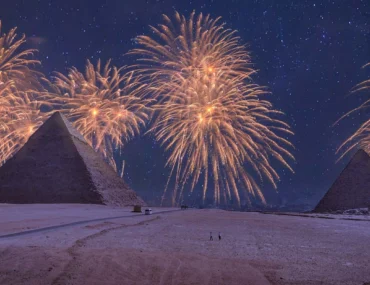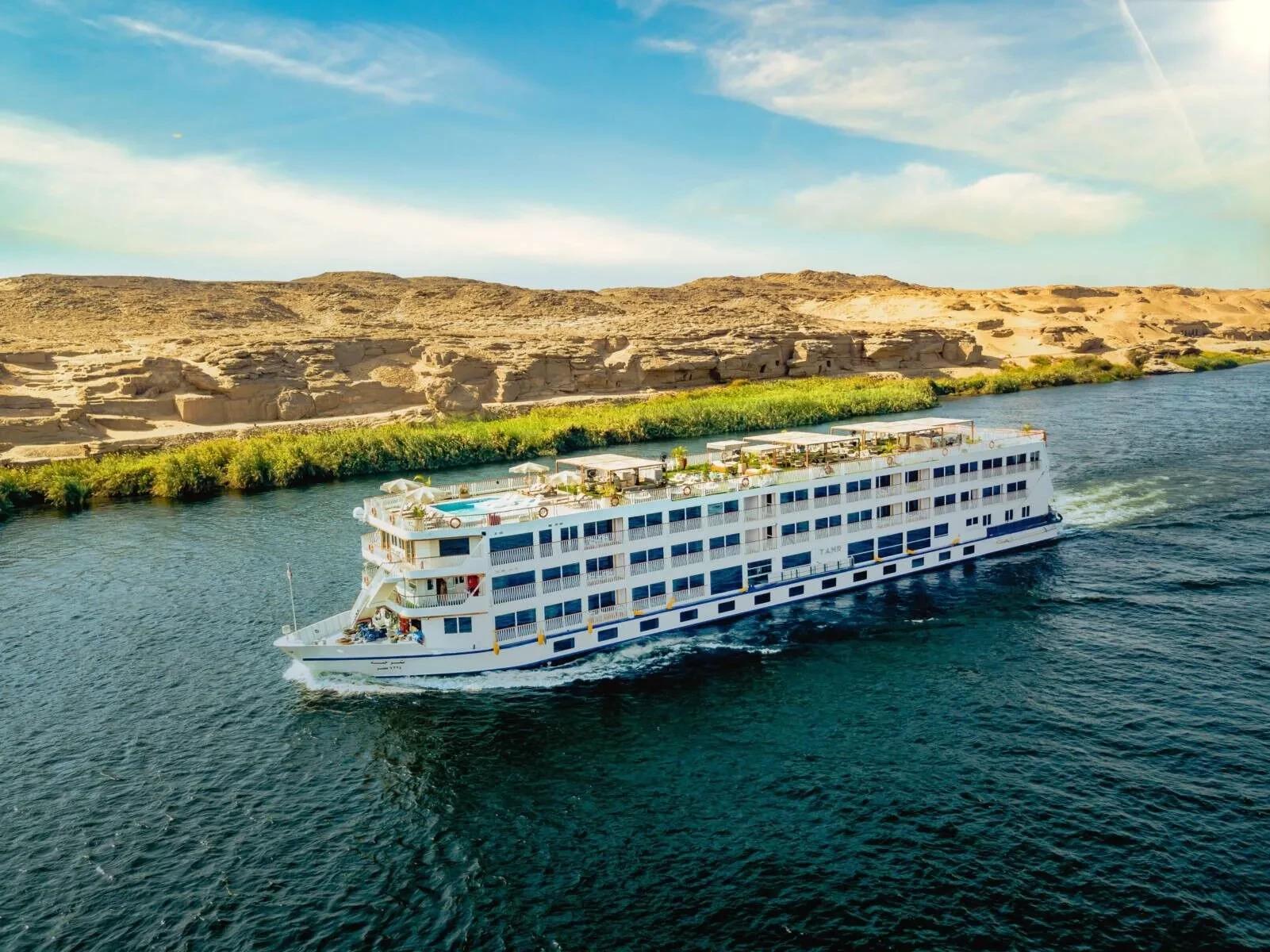
Imagine sailing along the Nile River, watching palm trees line the riverbanks, and exploring ancient temples that have stood for thousands of years. Add colourful Nubian villages, golden desert landscapes, and unforgettable sunsets, and you have the makings of an incredible Egyptian adventure.
A Luxor and Aswan trip brings together some of the best experiences Egypt has to offer. From the monumental temples of Luxor to the peaceful Nile scenery and rich Nubian heritage of Aswan, these two southern Egyptian cities offer a journey through the country’s history, culture, and everyday life.
But how many days should you spend there? Which places are worth visiting, and is a Nile cruise the best way to travel between the two cities?
This guide covers everything you need to plan your trip, including the top attractions in Luxor and Aswan, suggested itineraries, the best time to visit, and practical travel tips.
- Best Places to Visit in Luxor
- Best Places to Visit in Aswan
- Nile Cruise from Luxor to Aswan
- Tips for Planning Your Luxor and Aswan Trip
Luxor and Aswan Trip
If you are visiting Egypt for the first time, Luxor and Aswan deserve a place on your itinerary. Even if you have already explored Cairo and Giza, southern Egypt offers a different experience, combining remarkable ancient monuments with slower-paced river life and local traditions.
Here are a few reasons to visit both destinations:
1. Explore Ancient Egyptian History Up Close
Luxor is home to some of Egypt’s most impressive archaeological sites, including Karnak Temple, Luxor Temple, and the Valley of the Kings. Walking through these sites gives you a closer look at the beliefs, architecture, and royal traditions of ancient Egyptian civilisation.
2. Enjoy a Scenic Nile River Experience
The Nile is one of the highlights of southern Egypt, and experiencing it is about much more than visiting the attractions along its banks.
You can take a traditional felucca ride in Aswan, watch the changing colours of the landscape at sunset, or book a Nile cruise between Luxor and Aswan. A cruise also gives you the chance to see riverside villages and visit temples along the route, depending on your chosen itinerary.
3. Experience Nubian Culture in Aswan
Aswan offers a cultural experience that feels different from Egypt’s larger cities. Nubian heritage is an important part of the region’s identity, reflected in traditional architecture, local crafts, music, food, and community life.
Visiting a Nubian village, exploring the Nubian Museum, or enjoying a traditional meal can add a memorable cultural dimension to your trip.
4. Combine Adventure with Relaxation
You do not have to spend every day rushing between historical sites. Luxor is perfect for early-morning sightseeing and exploring monumental architecture, while Aswan offers opportunities to slow down with boat rides, river views, and relaxed evenings.
The best part? You can experience history, nature, and local culture in one trip without travelling across the whole country.
Now that you know why these destinations work so well together, let’s look at what makes each city special and which places you should add to your travel plans.
Luxor and Aswan: What Is the Difference Between the Two Cities?
Although Luxor and Aswan are often included in the same holiday, each destination has its own character. Understanding the difference will help you decide how much time to spend in each one.
- Luxor: Egypt’s Open-Air Museum. Luxor is ideal for travellers who want to discover ancient temples, royal tombs, monumental statues, and the stories of Egypt’s pharaohs.
- Aswan: The Nile and Nubian Heritage. Aswan is known for its beautiful river scenery, island temples, traditional felucca rides, and distinctive Nubian culture.
The two cities complement each other rather than competing for your time. Luxor is often the main stop for archaeological sightseeing, while Aswan provides a mix of historical discoveries, cultural encounters, and time by the Nile. Together, they offer a more complete picture of southern Egypt.
With that in mind, let’s explore the must-visit places in each destination.
Best Places to Visit in Luxor
Luxor sits on the site of ancient Thebes, a major centre of ancient Egyptian civilisation. The city is generally explored through its East Bank and West Bank, with the Nile separating the two sides.
Here are the top attractions to include in your Luxor itinerary.
1. Karnak Temple: A Must-See Ancient Landmark
Karnak Temple is one of the most impressive historical sites in Egypt. Rather than a single temple, it is an extensive complex of temples, chapels, and other structures that successive rulers expanded over many centuries.
The main highlight is the Great Hypostyle Hall, famous for its enormous columns covered with detailed carvings. As you walk through the complex, look closely at the hieroglyphs, statues, and stone reliefs that preserve traces of ancient religious life.
2. Luxor Temple: History in the Heart of the City
Unlike many archaeological sites surrounded by desert landscapes, Luxor Temple stands within the modern city. Its monumental entrance, towering columns, and statues create a striking contrast with the streets and buildings around it.
The temple was dedicated to Amun and played an important role in religious ceremonies in ancient Thebes. It is particularly atmospheric in the evening, when the illuminated stone structures give the site a completely different appearance.
3. Valley of the Kings: Discover the Tombs of the Pharaohs
If you have ever wondered where the pharaohs of the New Kingdom were buried, the Valley of the Kings is the place to find out.
Located on Luxor’s West Bank, this desert valley contains more than 60 discovered tombs, along with additional unfinished tombs. The burial ground was used for Egyptian kings and some members of the royal family, and several tombs feature remarkably detailed wall paintings and colourful scenes linked to ancient Egyptian beliefs about the afterlife.
Inside the tombs, you can see decorated corridors, symbolic artwork, and inscriptions that reveal how the ancient Egyptians understood death and the journey into the afterlife.
Interested in the Valley of the Kings? Read this guide to learn about the tickets, secrets and more:
4. Temple of Hatshepsut: An Architectural Masterpiece
Built into the dramatic cliffs of Deir el-Bahari, the Temple of Hatshepsut is one of Luxor’s most distinctive landmarks. Its terraces, colonnades, and striking backdrop make it stand out from the city’s other temples.
The temple is associated with Hatshepsut, one of ancient Egypt’s most notable female pharaohs. Visiting it offers an opportunity to learn more about her reign while appreciating a setting where architecture and the natural landscape come together.
5. Take a Hot Air Balloon Ride Over Luxor
Want to see Luxor from a different perspective? A hot air balloon ride at sunrise offers views of the Nile, green agricultural fields, desert terrain, and ancient monuments from above.
It is an especially appealing option for photography lovers and travellers looking for something beyond temple visits. Since flights depend on weather conditions and operator arrangements, book with a reputable provider and confirm the departure details in advance.
Best 5 Places to Visit in Aswan
After exploring Luxor’s temples and royal tombs, Aswan welcomes you with a different atmosphere. Here, the Nile winds between rocky islands, traditional boats sail past green riverbanks, and ancient monuments reveal another side of Egypt’s history.
From beautiful island temples to colourful Nubian villages, these are the places worth adding to your Aswan itinerary.
1. Philae Temple: A Beautiful Island Temple
Philae Temple is one of Aswan’s most memorable attractions. Dedicated primarily to Isis, the ancient Egyptian goddess associated with motherhood and magic, the complex features impressive gateways, carved reliefs, elegant columns, and peaceful views of the surrounding Nile.
2. Abu Simbel Temples: A Remarkable Day Trip from Aswan
If there is one excursion worth considering beyond central Aswan, it is Abu Simbel.
Located around 300 kilometres south of Aswan, this archaeological site is famous for its two monumental rock-cut temples. The Great Temple was commissioned by Ramesses II around the 13th century BC, while the smaller temple is dedicated to the goddess Hathor and Queen Nefertari.
The Great Temple’s façade features four enormous seated statues of Ramesses II. Inside, you can explore halls decorated with reliefs and discover the sanctuary that lies deep within the rock.
3. Nubian Villages: Experience a Different Side of Egypt
Not every highlight of an Aswan trip is an ancient monument. Visiting a Nubian village gives you an opportunity to learn about the living culture and traditions of southern Egypt.
Nubian communities have distinctive languages, culinary traditions, crafts, music, and architectural styles. In villages such as Gharb Soheil, you can see brightly painted houses, browse local handicrafts, and enjoy traditional dishes while learning more about the region’s heritage.
4. The Unfinished Obelisk: See How Ancient Egyptians Worked with Stone
Have you ever wondered how the ancient Egyptians created their enormous stone monuments?
The Unfinished Obelisk offers a fascinating clue. Located in an ancient granite quarry, this unfinished monument remains partly attached to the bedrock, revealing the scale of the work involved in shaping such structures.
Had it been completed, it would have been one of the largest obelisks ever attempted. Its cracks provide a reminder that even the most ambitious projects could face practical challenges during construction.
The site is particularly interesting if you have already visited Luxor’s massive columns and statues. After seeing the finished monuments, you can begin to understand the quarrying and stoneworking processes behind them.
The ancient granite quarries are among the important heritage sites recognised within the Nubian monuments region.
5. The Aswan High Dam: Discover a Modern Egyptian Landmark
While Luxor and Aswan are famous for ancient history, the Aswan High Dam highlights a more modern chapter in Egypt’s development.
Built across the Nile, the dam plays an important role in water management and hydroelectric power generation. Its construction also created Lake Nasser, one of the world’s large artificial lakes, and prompted the major campaign to relocate threatened archaeological monuments such as Philae and Abu Simbel.
How to Travel from Luxor to Aswan
Luxor and Aswan are both located along the Nile in southern Egypt, making them easy to combine into one trip. Your best transport option depends on whether you prefer a relaxing river journey, a straightforward transfer, or the freedom to organise your own stops.
1. Take a Nile Cruise

A Nile cruise is an excellent choice if you want transport, accommodation, meals, and sightseeing to form part of the same experience. Depending on the itinerary, you may stop at archaeological sites such as Edfu and Kom Ombo along the way. Check which excursions are actually included before booking.
2. Travel by Train

Trains connect Luxor and Aswan, providing a practical option for independent travellers. Available services, journey times, and ticket arrangements vary, so check the current timetable and book through an appropriate railway ticketing channel.
3. Arrange a Private Transfer or Road Trip
A private transfer offers flexibility around departure times and can work well for families or groups. If you plan to make sightseeing stops en route, agree on the route, duration, and any additional fees with the driver in advance.
Which option is best?
Choose a Nile cruise if the river experience is a major part of your holiday. A train is useful if you want to arrange your accommodation separately, while a private transfer gives you more control over your travel plans.
Whatever you choose, reserve enough time to enjoy both cities rather than treating the journey between them as another item to tick off.
Nile Cruise from Luxor to Aswan: What to Expect
Imagine waking up to views of the Nile, enjoying breakfast on the deck, and watching Egypt’s green riverbanks and golden desert landscapes pass by. Later in the day, you step ashore to explore ancient temples before returning to the ship for dinner.
This is what makes a Nile cruise between Luxor and Aswan such a memorable experience. Instead of organising separate transfers and hotel stays for every stop, you can travel along the river while discovering some of southern Egypt’s most fascinating historical sites.
What Is Included in a Nile Cruise?
Most Nile cruise packages combine accommodation on board with meals and organised sightseeing excursions, although the exact inclusions depend on the cruise operator and package you choose.
Depending on your booking, you may enjoy:
- Onboard accommodation: Stay in a private cabin while travelling between destinations.
- Meals: Many packages include full-board dining, with breakfast, lunch, and dinner served on the ship.
- Guided excursions: Visit selected archaeological sites with a tour guide who explains their history and significance.
- River views and onboard relaxation: Spend time on the sun deck, enjoy the passing scenery, or relax between sightseeing stops.
- Onboard entertainment: Some cruises offer evening activities and cultural entertainment.
Before booking, check whether entrance tickets, transfers, guided tours, and drinks are included. These details can make a significant difference to the overall cost of your trip.
Which Places Can You Visit on a Nile Cruise?
One of the biggest advantages of a Luxor and Aswan Nile cruise is the opportunity to discover several destinations along the river without arranging separate journeys between them.
Depending on your itinerary, your cruise may include stops at:
- Karnak Temple and Luxor Temple: Explore two of Luxor’s best-known landmarks, famous for their monumental architecture, ancient carvings, and religious history.
- Edfu Temple: Visit the remarkably well-preserved Temple of Horus, dedicated to the ancient Egyptian falcon-headed god.
- Kom Ombo Temple: Discover a distinctive double temple dedicated to two deities, Sobek and Horus the Elder.
- Philae Temple: Explore the beautiful island temple complex dedicated primarily to Isis in Aswan.
Keep in mind that not every cruise includes all these attractions in the same way. Some excursions may be included in the package, while others require additional payment. Abu Simbel is also generally planned as a separate excursion rather than an automatic stop on a standard Luxor and Aswan cruise.
How Many Days Should You Spend on a Luxor and Aswan Nile Cruise?
The duration depends on your preferred direction of travel and the operator’s schedule. Many standard itineraries follow one of these formats:
| Cruise Route | Typical Duration | Best For |
|---|---|---|
| Aswan to Luxor | 3 nights / 4 days | Travellers who prefer a shorter cruise before exploring Luxor. |
| Luxor to Aswan | 4 nights / 5 days | Travellers who want to begin in Luxor and finish in Aswan. |
These are common formats rather than fixed schedules. Always confirm the actual departure dates, overnight stops, and sightseeing arrangements before booking.
If you have 5 to 6 days for your entire Luxor and Aswan trip, a cruise can cover part of your journey, but you will need to plan carefully to fit in additional experiences such as a hot air balloon ride or an excursion to Abu Simbel.
Is a Nile Cruise Worth It?
A Nile cruise is an excellent choice if you want to combine comfortable accommodation, river scenery, and guided sightseeing in one trip. It is particularly appealing for first-time visitors who want a convenient way to explore several historical sites.
However, it is not the only way to travel between Luxor and Aswan. Taking the train or arranging private transfers can give you more flexibility over your accommodation, sightseeing schedule, and time in each city.
Our tip: Choose a Nile cruise if the journey itself is part of your dream Egyptian holiday. Compare the itinerary, included excursions, meals, cabin facilities, and total package cost before making your decision.
How Many Days Do You Need for a Luxor and Aswan Trip?
Ideally, plan for five to six days in Luxor and Aswan to explore the main attractions without rushing. You can visit both cities in less time, but you may have to skip some sites or limit your time at each one.
A 5-Day Luxor and Aswan Travel Schedule
| Day | Destination | Morning | Afternoon | Evening |
|---|---|---|---|---|
| Day 1 | Luxor East Bank | Explore Karnak Temple and its monumental columns. | Visit Luxor Temple and admire its ancient architecture. | Enjoy a relaxing walk around Luxor and have dinner at a local restaurant. |
| Day 2 | Luxor West Bank | Take an optional hot air balloon ride at sunrise, weather permitting. | Explore the Valley of the Kings and the Temple of Hatshepsut. | Relax at your hotel and prepare for the next day’s journey. |
| Day 3 | Luxor to Aswan | Depart by train, private transfer, or Nile cruise. | Continue your journey and visit Edfu or Kom Ombo if your cruise schedule allows. | Enjoy the Nile scenery or settle into your accommodation in Aswan. |
| Day 4 | Aswan | Visit Philae Temple and explore its beautiful island setting. | Discover the Unfinished Obelisk and, if time permits, the Aswan High Dam. | Visit a Nubian village and enjoy a traditional felucca ride on the Nile. |
| Day 5 | Abu Simbel | Depart early for the temples of Abu Simbel. | Explore the Great Temple of Ramesses II and the smaller temple dedicated to Hathor and Nefertari. | Return to Aswan, allowing enough time for the journey. |
This schedule covers the main highlights, but it is relatively busy, especially on Day 4. Keep in mind that Abu Simbel involves a substantial journey from Aswan, so it is best to arrange transport in advance.
Practical Tips for Planning Your Luxor and Aswan Trip
Now that you have a sightseeing itinerary, it is time to take care of the practical details. Choosing the right season, preparing for the weather, and planning your transport can make your Luxor and Aswan trip much more comfortable, especially if this is your first visit to southern Egypt.
What Is the Best Time to Visit Luxor and Aswan?
The best time to visit Luxor and Aswan is generally from October to April, when temperatures are more comfortable for exploring archaeological sites, taking boat trips, and spending time outdoors. Egypt’s official tourism website notes that the southern destinations remain sunny and warm during winter.
However, each season offers a slightly different experience.
| Season | What to Expect | Best For |
|---|---|---|
| October–November | Warm days and generally pleasant sightseeing conditions. | Exploring temples, taking photographs, and enjoying Nile cruises. |
| December–February | Cooler mornings and evenings, with comfortable daytime conditions. | First-time visitors and travellers who want to explore several archaeological sites. |
| March–April | Warmer weather as spring progresses. | Sightseeing and outdoor activities with suitable planning. |
| May–September | Very hot conditions, particularly during the middle of the day. | Travellers who can manage the heat and organise activities around cooler hours. |
Should You Visit in Summer or Winter?
Winter is usually the more comfortable choice if you plan to spend several hours walking around temples and tombs. However, it can also be a busier period, particularly around Christmas and New Year, so booking accommodation and tours in advance is sensible.
Summer can still work for a Luxor and Aswan trip, but you will need to plan carefully. Schedule outdoor sightseeing early in the morning, carry enough drinking water, and take breaks in shaded or air-conditioned spaces.
Whatever season you choose, check the forecast before travelling and avoid underestimating the southern Egyptian heat. Once your dates are decided, a few simple preparations will help you get the most out of each day.
Essential Travel Tips for Luxor and Aswan
You do not need an elaborate plan to enjoy southern Egypt, but a little preparation goes a long way. Keep these tips in mind before you set off.
1. Wear Comfortable Clothes and Walking Shoes
Most archaeological sites involve walking over uneven stone surfaces, sandy paths, or exposed ground. Comfortable walking shoes are therefore essential.
Choose lightweight, breathable clothing for daytime sightseeing. A hat, sunglasses, and sunscreen will help protect you from the sun, while a light jacket can be useful during cooler winter mornings and evenings.
2. Start Sightseeing Early
Karnak Temple, the Valley of the Kings, and other major attractions can require several hours to explore properly. Starting early helps you make the most of the cooler part of the day and leaves more time for breaks later.
3. Book Important Activities in Advance
It is worth arranging your accommodation and major transport before arriving, especially if you are travelling during the winter peak season.
If you plan to take a Nile cruise, compare the itinerary, cabin options, meals, included excursions, and departure dates. Some packages include guided visits to major attractions, while others charge separately for certain activities.
4. Carry Cash and Keep Your Essentials Handy
Although cards are accepted at many hotels and established businesses, it is useful to carry some Egyptian pounds for smaller purchases, local transport, and tips.
Keep your passport and other travel documents secure, and carry the essentials you need for the day, including water, sunscreen, any required medication, and your phone or camera.
5. Respect Local Customs and Enjoy the Culture
Luxor and Aswan are not just destinations filled with ancient monuments. They are living cities where people work, study, shop, and maintain long-standing traditions.
Dress respectfully when appropriate, ask permission before photographing people, and follow local guidance when visiting cultural or religious sites.
Frequently Asked Questions About a Luxor and Aswan Trip
Is Luxor or Aswan Better for Tourists?
Neither city is necessarily better than the other; it depends on what you want from your trip.
Luxor is particularly appealing if you want to explore ancient temples, royal tombs, and monumental archaeological sites.
Can You Visit Luxor and Aswan in Three Days?
Yes, it is possible to visit Luxor and Aswan in three days, but you will need to prioritise carefully.
You could spend one day exploring Luxor’s East Bank, another visiting selected West Bank attractions, and the third travelling to Aswan to visit one or two key sites. However, this schedule leaves limited time for Nubian villages, a leisurely felucca ride, or Abu Simbel.
Is a Nile Cruise Worth It?
A Nile cruise can be an excellent choice if you want to combine travel, accommodation, and sightseeing in one experience. It also lets you appreciate the river landscape rather than spending the entire journey on the road.
However, it is not essential. Travelling by train or arranging separate transfers and hotels can work well if you prefer flexibility or want to control your itinerary independently.
Before booking, compare what each cruise includes and check that its schedule matches your travel plans.
Is Luxor and Aswan Suitable for a Family Trip?
Yes. Families can enjoy the historical sites, boat rides, and cultural activities, provided the itinerary suits everyone’s pace.
Children may find the scale of Karnak Temple and the stories behind the Valley of the Kings fascinating. A felucca ride or a visit to a Nubian village can also offer a welcome change from walking around archaeological sites.
Plan shorter sightseeing days, bring sun protection and water, and choose accommodation that makes transport convenient.
What Should You Not Miss on a Luxor and Aswan Trip?
If you have limited time, prioritise the attractions that best represent each city.
In Luxor, start with Karnak Temple, Luxor Temple, and the Valley of the Kings. In Aswan, make time for Philae Temple and a felucca ride on the Nile. Add a Nubian village for a cultural experience or Abu Simbel if your schedule allows a longer excursion.
You do not have to see everything to enjoy the trip. Choosing a few meaningful experiences is often better than rushing through every landmark.
Final Thoughts: Make the Most of Your Luxor and Aswan Trip
A trip to Luxor and Aswan offers much more than a tour of ancient monuments. It is a chance to walk through thousands of years of history, enjoy the scenery of the Nile, discover Nubian traditions, and experience a different side of Egypt.
Start with a realistic itinerary, choose the season that suits your plans, and leave enough time to enjoy each destination at your own pace.
The best Luxor and Aswan trip is not necessarily the one with the longest list of attractions. It is the one that gives you time to appreciate the places, stories, and experiences that make southern Egypt special.





 as a preferred source on Google