During Ramadan, daily rhythms change. Energy levels fluctuate, schedules shift, and the home naturally becomes the center of activity. As movement slows outside, what happens inside the home matters more than ever. This is why Ramadan often reshapes how people use their living spaces, especially when it comes to wellness and light physical activity.
This is not about intense workout routines or performance goals. It is about how homes can support movement, breathing, and balance in a way that fits the pace of the month. From quiet yoga corners to garden-based training and internal gym setups, home layout plays a bigger role than most people realize.
Why Home Layout Matters More During Ramadan
During Ramadan, workouts often move indoors. Gym visits decrease, outdoor movement becomes time-specific, and many people prefer privacy and flexibility. This shifts attention to how usable and adaptable the home actually is.
A home that allows easy reconfiguration, quiet zones, or access to outdoor space offers more than comfort. It supports routines that fit fasting hours, prayer schedules, and energy cycles. Layout is no longer just about furniture placement, it becomes about flow, light, and how different areas serve different moments of the day.
Creating a Calm Zone for Yoga and Stretching
Yoga during Ramadan is less about intensity and more about grounding. This makes space selection essential.
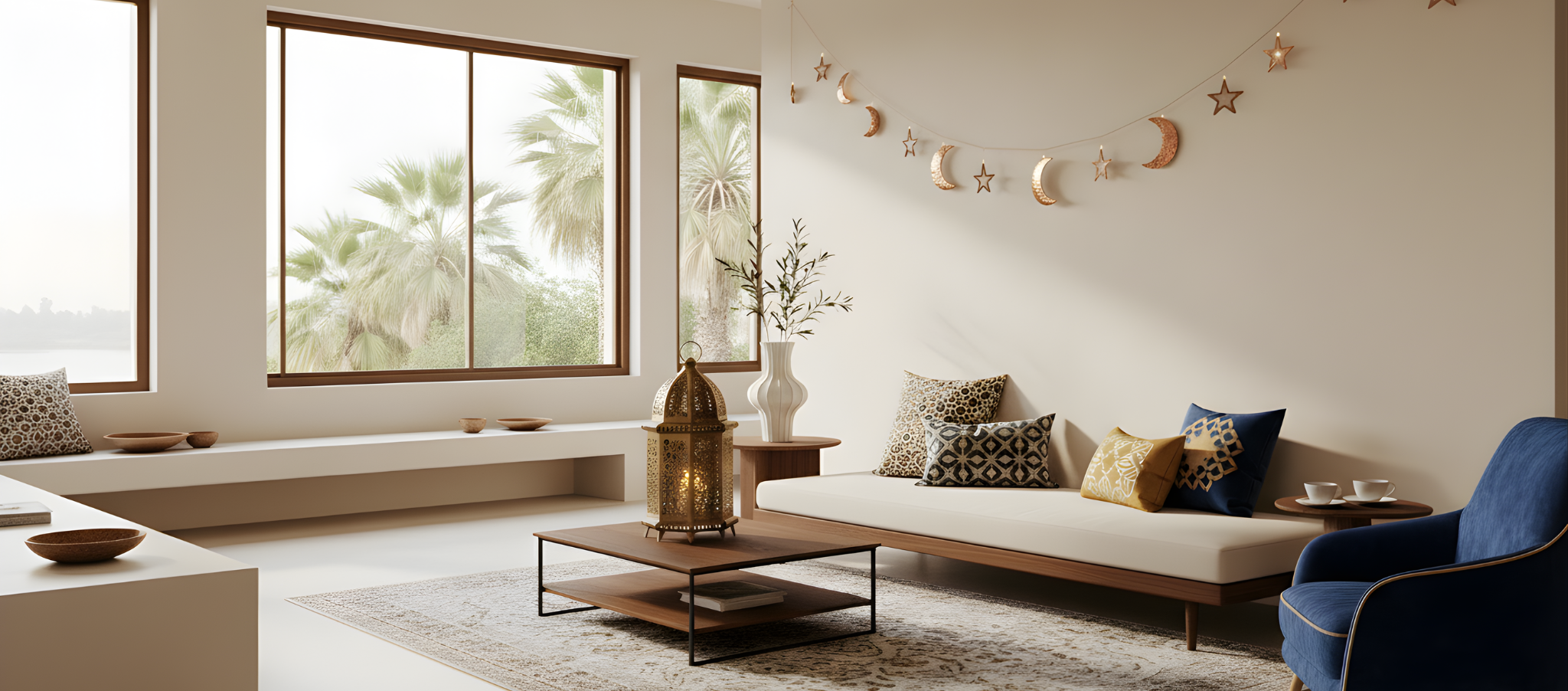
The ideal yoga area does not need to be large, but it needs to be calm. Living rooms with minimal furniture, spare bedrooms, or even a quiet corner near a window can work well. Natural light helps regulate breathing and focus, especially during early morning or pre-iftar sessions.
Furniture flexibility matters here. Homes with open-plan layouts or easily movable furniture allow residents to create temporary wellness zones without disruption. Flooring is also important. Smooth surfaces with enough room for a mat create a sense of ease, while cluttered spaces often discourage consistency.
What matters most is separation. Even a visual boundary, like a rug or a change in lighting, can help turn a shared space into a personal wellness area during specific hours.
Using Gardens and Terraces for High-Intensity Training
For those who prefer higher-intensity movement, outdoor private spaces become extremely valuable during Ramadan. Gardens, terraces, and large balconies allow training to happen without compromising comfort or privacy.
Garden layouts that are flat, shaded, and accessible directly from the living space tend to work best. These spaces support short, focused training sessions after iftar or before suhoor, when energy is higher and temperatures are more manageable.
Terraces and rooftops also play a growing role, especially in villas and duplexes. A clear, open surface with proper lighting can easily transform into a functional training area without permanent changes.
From a real estate perspective, this highlights how outdoor space is no longer only aesthetic. It has become functional, especially during periods when lifestyle routines adapt to cultural rhythms like Ramadan.
Designing an Internal Home Gym That Fits the Month
Internal home gyms are not just for heavy equipment. During Ramadan, they often become multi-purpose spaces used for light strength training, mobility work, or even meditation.
The most effective internal gym setups are those that do not feel closed off or overwhelming. Rooms with good ventilation, windows, or adjustable lighting are more inviting and easier to use during fasting hours.
Storage is key. Equipment that can be neatly stored keeps the space adaptable. A room that can function as a gym in the evening and a calm space during the day aligns better with Ramadan routines.
This flexibility is increasingly reflected in how buyers evaluate homes. Extra rooms, adaptable spaces, and layouts that support multiple functions are becoming more valuable than fixed-use rooms.
How Layout Flexibility Impacts Daily Consistency
The biggest challenge during Ramadan is not motivation, it is consistency. Homes that make movement easy encourage routines to stick.
If a space requires heavy setup, constant rearrangement, or feels disconnected from daily life, it is less likely to be used regularly. On the other hand, homes where movement fits naturally into the layout remove friction.
This is why open layouts, smart circulation, and access to both indoor and outdoor areas are increasingly important. They allow residents to adapt without feeling restricted by the space itself.
What Renters and Buyers Are Paying Attention To
Recent lifestyle shifts have made people more aware of how their homes support wellness. During Ramadan, this awareness becomes sharper.
Renters look for layouts that allow temporary zoning. Buyers pay closer attention to balconies, gardens, extra rooms, and natural light. These features are no longer seen as bonuses, they are functional.
Exploring listings on platforms like Bayut helps buyers and renters understand how different layouts support daily routines, especially during months where lifestyle adaptation matters most. Seeing real homes, not just floor plans, helps people visualize how spaces can flex with their needs.
A Home That Moves With You
Ramadan highlights a simple truth about homes. The best spaces are not the most luxurious or the largest, but the most adaptable.
A home that allows quiet movement, supports energy changes, and respects daily rhythms becomes more than a place to live. It becomes a space that actively supports wellbeing.
When layout works with lifestyle, not against it, wellness becomes part of the home, not something that needs to be scheduled elsewhere.


 as a preferred source on Google