The first quarter of 2026 offered an early snapshot of how Egypt’s property market is evolving after several years marked by inflation pressures, currency fluctuations, and strong development activity. Despite these economic shifts, the real estate sector continues to be one of the most resilient segments of the Egyptian economy.
During the first months of the year, several trends became clearer. Prices continued to rise, although at a slower pace than previous years. At the same time, buyer preferences, installment structures, and geographic demand patterns began to reshape how developers position their projects and how buyers approach property investment.
This market check-in reviews what actually happened in Egypt’s property market during Q1 2026, focusing on price movements, changes in demand, installment trends, and the areas attracting the most attention from buyers.
Price Movements in Early 2026
Property prices across Egypt continued to increase during the first quarter of 2026, though the pace of growth has slowed compared to the sharp price surges seen in 2023 and 2024. Market estimates suggest that property prices during 2026 may grow between 8% and 12%, indicating a shift toward more stable growth rather than rapid inflation-driven increases.
Current market estimates place the median property price in Egypt at around EGP 5.5 million, while the average price across the market is approximately EGP 7.5 million. In newer residential communities within Greater Cairo, prices tend to be significantly higher. Median prices in these areas approach EGP 12 million, while average values can reach approximately EGP 15 million, depending on the location, compound, and property type.
These figures reflect the continued upward trajectory of property values, driven largely by higher construction costs, increased land prices, and inflation across the broader economy. However, when adjusted for inflation, the real growth of property values appears more moderate compared to previous years.
Demand Shifts Across Buyer Segments
One of the clearest shifts during the first quarter of 2026 has been a change in buyer preferences. Demand has increasingly moved toward smaller and mid-sized residential units, as affordability plays a larger role in purchasing decisions.
As property prices continue to rise, many buyers are adjusting their expectations by choosing smaller apartments or exploring projects that offer more flexible payment structures. Developers have also responded by introducing a wider range of unit sizes that appeal to middle-income buyers and investors seeking more accessible entry points into the property market.
Another factor supporting demand is the perception of real estate as a long-term hedge against inflation and currency fluctuations. Even as prices rise, property ownership continues to be viewed by many buyers as a relatively stable way to preserve capital in Egypt’s economic environment.
As a result, investment demand remains strong, particularly in newly launched developments and established compounds where price appreciation potential is expected to remain high.
Installment Plans Becoming Longer and More Flexible
Installment plans continue to play a central role in Egypt’s real estate market. During early 2026, developers increasingly introduced longer and more flexible payment plans to help maintain demand despite rising property prices.
In many new projects, installment periods now extend to eight years or more, and in some cases reach ten years, depending on the developer and project stage. These longer payment structures allow buyers to spread payments over extended periods, reducing the immediate financial burden.
Flexible installment plans have also become a key competitive advantage among developers. In a market where multiple projects launch every year, payment flexibility is often as important to buyers as location, design, or amenities when evaluating different property options.
Areas Seeing the Highest Demand
Geographically, buyer demand during the first quarter of 2026 continued to focus on Egypt’s expanding urban areas. The strongest demand remained concentrated in locations such as:
- New Cairo and the Fifth Settlement
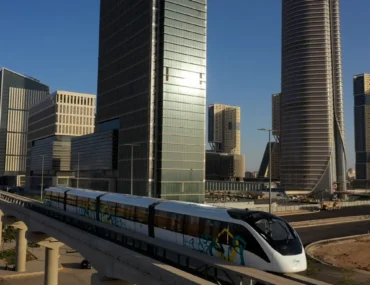
- Areas surrounding the New Administrative Capital
- Sheikh Zayed and New Zayed
- 6th of October City
These areas continue to attract both end-users and investors due to modern infrastructure, large master-planned communities, and the growing number of residential compounds offering integrated services and amenities.
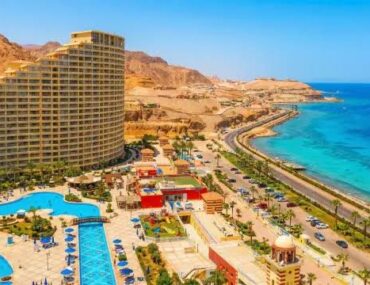
At the same time, coastal destinations remain an important segment of the market. Developments along the Mediterranean and the Red Sea continue to attract buyers looking for second homes or lifestyle investments.
Market Size and Growth Outlook
Egypt’s residential real estate sector continues to show strong long-term potential. The market was estimated to be valued at approximately $20 billion in 2024, and projections suggest continued growth driven by population expansion, urban development, and sustained demand for housing.
Large infrastructure projects, the expansion of new cities, and continued investment in real estate developments are also contributing to the sector’s momentum.
Market Outlook After Q1 2026
The first quarter of 2026 suggests that Egypt’s property market is entering a more balanced phase. Prices are still rising, but at a steadier pace, while developers adjust their strategies to meet changing buyer expectations.
Longer installment plans, increasing demand for mid-sized units, and continued interest in newly developed urban areas are shaping the next stage of the market. These dynamics indicate that the sector is transitioning from rapid price escalation toward a more structured and demand-driven growth cycle.
Download the Bayut Egypt app to explore homes across Egypt’s leading residential communities.
Start your property search with smart tools on Bayut.

 as a preferred source on Google