Ramadan changes how homes are used. Gatherings last longer, conversations stretch deeper into the night, and the home becomes a shared space rather than a series of separate rooms. Hosting during Ramadan is not about formal entertaining. It is about comfort, flow, and creating an environment where people can stay without feeling rushed.
This shift places new attention on how spaces function together. The homes that feel most welcoming during Ramadan are not necessarily the largest ones, but the ones designed, intentionally or intuitively, to hold people for longer periods of time.
From living areas to dining zones and outdoor extensions, layout plays a quiet but powerful role in how Ramadan gatherings unfold.
Living Rooms That Encourage Staying, Not Just Sitting
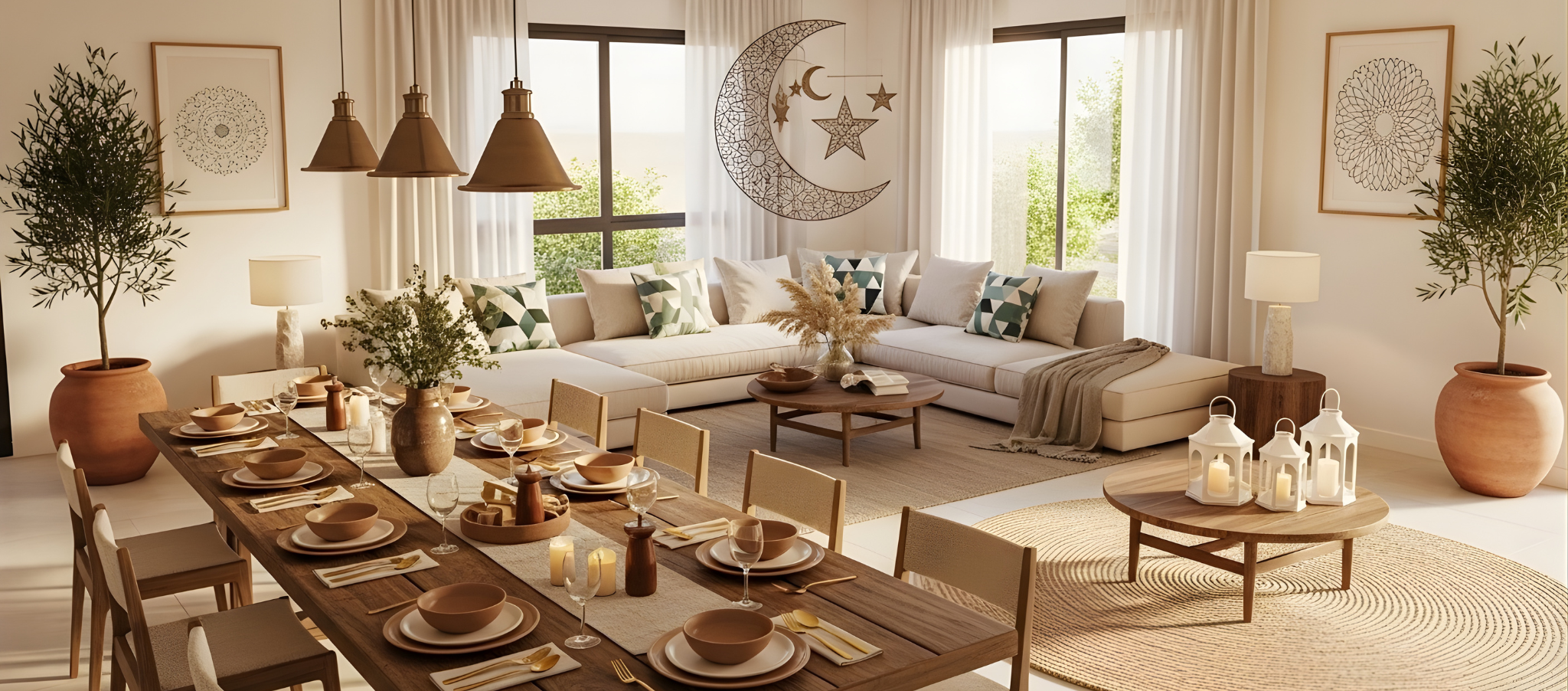
During Ramadan, living rooms become the heart of the home. They are where guests arrive before iftar, where conversations resume after prayers, and where people naturally linger late into the night.
Spaces that work well tend to be open enough to allow movement, but defined enough to feel grounded. Seating arrangement matters more than size. Sofas placed to face one another invite conversation, while overly rigid layouts can make gatherings feel formal and time-bound.
Lighting also shapes the experience. Homes that rely on layered lighting, softer ambient sources rather than a single overhead light, feel calmer and more accommodating as the evening progresses. This allows the space to shift naturally from pre-iftar anticipation to post-iftar relaxation without feeling staged.
Dining Areas That Adapt to Extended Use
Ramadan dining is rarely limited to the meal itself. Tables are used for iftar, tea, desserts, and long conversations that follow. This means dining areas need to be comfortable beyond eating.
Homes with dining spaces that sit naturally between the kitchen and living area tend to perform best during Ramadan. This layout allows food service to flow smoothly while keeping guests connected rather than separated.
Flexibility is key. Extendable tables, movable chairs, or dining zones that can expand into adjacent spaces make it easier to host varying group sizes without crowding. The goal is not formality, but ease.
Open Kitchens That Support Togetherness
Open or semi-open kitchens quietly become social spaces during Ramadan. They allow hosts to remain part of the gathering while preparing food or serving guests, rather than disappearing into a closed room.
Even in smaller homes, visual connection matters. A pass-through window, breakfast counter, or partial opening can transform the kitchen into a shared experience rather than a service area.
This is especially important during longer gatherings, where guests feel more comfortable when movement between spaces is natural and inclusive.
Outdoor Extensions That Extend the Night
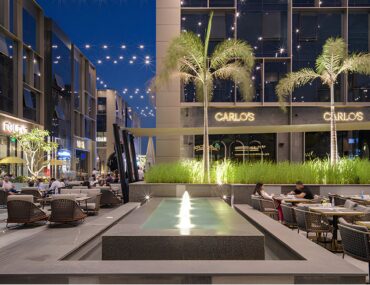
Balconies, terraces, gardens, and rooftops take on renewed importance during Ramadan. As the evening cools, outdoor spaces offer relief, fresh air, and a quieter rhythm.
Homes that allow easy access to outdoor areas from main living spaces tend to feel larger and more accommodating. Even modest balconies can become meaningful extensions when furnished simply and lit thoughtfully.
For villas and duplexes, gardens and rooftops often become post-iftar zones where conversations slow down and gatherings stretch later into the night. These spaces do not need elaborate setups. Clear flooring, basic seating, and subtle lighting are often enough.
Circulation and Flow Matter More Than Ever
One of the most overlooked aspects of hosting is circulation. During Ramadan, people move frequently between rooms, to pray, to refresh, to step outside, or to join different conversations.
Homes with clear, intuitive circulation paths feel calmer and more welcoming. When guests do not have to navigate tight corridors or pass through private spaces to move around, gatherings feel more relaxed.
This is where layout quality becomes evident. A well-planned home allows multiple activities to happen simultaneously without conflict.
Quiet Corners Are Part of Good Hosting
Not every guest wants constant interaction. Ramadan gatherings often include moments of quiet reflection, private conversation, or rest.
Homes that include secondary seating areas, reading corners, or smaller lounges offer balance. These spaces allow guests to step away without leaving the gathering entirely.
From a real estate perspective, this highlights the value of homes with layered spaces rather than single-use rooms.
Why Layout Awareness Is Growing Among Renters and Buyers
As Ramadan gatherings become longer and more central to home life, people are paying closer attention to how spaces actually function.
Renters look for layouts that can host without stress. Buyers assess whether living areas, dining zones, and outdoor spaces can support real gatherings, not just occasional visits.
Exploring listings on platforms like Bayut helps people visualize how different layouts support hosting, movement, and togetherness. Seeing how spaces connect in real homes makes it easier to imagine Ramadan life within them.
Homes That Hold Time Well
The most successful homes during Ramadan are not defined by size or luxury. They are defined by how well they hold time.
They allow conversations to unfold naturally. They support togetherness without forcing it. They give people room to stay, move, pause, and return.
In a month where presence matters more than pace, spaces that welcome longer gatherings quietly become the most meaningful ones.



 as a preferred source on Google