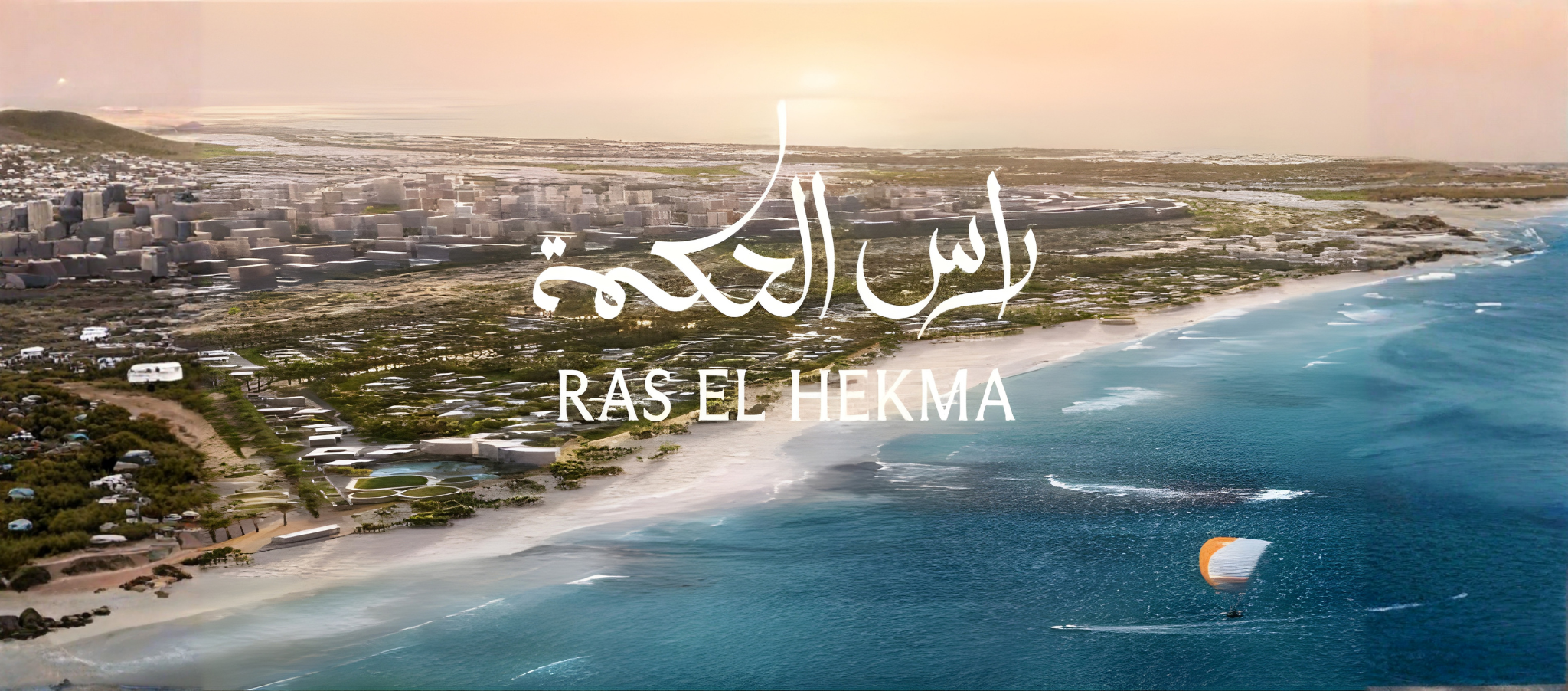
In February 2024, Egypt announced one of the largest investment agreements in its history: a $35 billion deal to develop Ras El Hekma on the Mediterranean coast. The agreement granted development rights for the coastal area to a UAE-led consortium and positioned the project as a future global tourism and real estate destination.
One year later, the question many observers are asking is simple: who actually benefited from the Ras El Hekma deal? While the full impact of the project will unfold over several years, the first year already revealed clear effects across Egypt’s economy, real estate market, and investment landscape.
The Economic Impact: Immediate Liquidity
The most immediate beneficiary of the Ras El Hekma agreement was Egypt’s economy. The deal brought $35 billion in investment commitments, including $24 billion in new funding for development rights, making it the largest foreign direct investment agreement in Egypt’s history.
The funds were delivered in stages, including an initial tranche of approximately $15 billion, which helped strengthen foreign currency reserves and reduce pressure on the Egyptian economy during a challenging economic period.
Beyond direct financing, the project also helped reinforce investor confidence in the Egyptian market. The scale of the investment signaled strong regional support for Egypt’s economic outlook and created momentum for additional investment discussions in infrastructure, tourism, and real estate.
The Real Estate Sector: A Confidence Boost
Egypt’s real estate sector was another major beneficiary of the announcement. Large-scale investment projects often influence market sentiment, and the Ras El Hekma deal immediately strengthened confidence across the property market.
Developers, investors, and property buyers began to view the North Coast not only as a seasonal destination but also as a future international tourism hub. The scale of the development plan reinforced expectations that the region could attract global hospitality brands, large residential communities, and year-round tourism activity.
In many ways, the project helped reposition Egypt’s North Coast as a long-term development corridor rather than simply a summer resort destination.
North Coast Developments: Rising Investment Interest
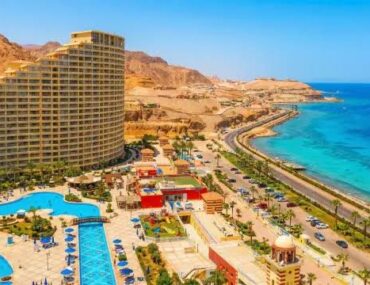
The North Coast itself emerged as one of the most visible beneficiaries of the announcement. Ras El Hekma sits within a strategic stretch of Mediterranean coastline that has increasingly attracted large-scale tourism and real estate projects.
The master plan for the Ras El Hekma city development covers more than 170 million square meters and includes a 44-kilometer coastline. The development is planned to include residential communities, hotels, commercial districts, entertainment areas, and tourism infrastructure.
Long-term projections for the project envision:
- More than 300,000 residential units
- Over 50 hotels and tourism facilities
- A potential population of up to 2 million residents
- Hundreds of thousands of employment opportunities during development and operation
These projections illustrate the scale of the project and its ambition to transform Ras El Hekma into one of the Mediterranean’s largest integrated coastal destinations.
Investors and Early Buyers
Another group that may benefit significantly from the Ras El Hekma announcement is early property investors in surrounding North Coast areas. Large infrastructure and tourism projects often influence long-term demand for nearby residential developments.
Early phases of some coastal developments in the Ras El Hekma area have entered the market with starting prices around EGP 9.9 million for certain property types. For investors, entering emerging destinations early can create opportunities for long-term value growth if tourism activity and infrastructure expansion continue as expected.
As development progresses, nearby projects may also benefit from improved accessibility, services, and tourism demand.
The Government’s Long-Term Vision
For the Egyptian government, Ras El Hekma represents more than a real estate project. The development forms part of a broader strategy aimed at transforming key coastal regions into international tourism destinations while attracting foreign direct investment.
The agreement also allows the government to retain a stake in the development and future revenues, aligning public interests with the long-term success of the project.
By integrating tourism infrastructure, residential communities, hospitality developments, and commercial districts, Ras El Hekma is intended to function as a year-round coastal city, rather than a seasonal resort destination.
Challenges and Questions Ahead
Despite the optimism surrounding the project, developments of this scale naturally raise questions about timelines and execution. Large coastal city projects typically require several years of infrastructure development and construction before their full economic impact becomes visible.
Observers also note that the long-term success of Ras El Hekma will depend on factors such as transportation infrastructure, tourism growth, and sustained investor interest.
For now, the project represents a long-term transformation initiative rather than an immediate change to the North Coast real estate market.
One Year Later: A Strategic Turning Point
One year after its announcement, the Ras El Hekma development has already reshaped discussions around Egypt’s coastal real estate future. The project injected liquidity into the economy, strengthened confidence in the property market, and increased investment interest in the North Coast.
While the largest benefits will likely appear over the coming years as development progresses, the first year has already demonstrated how a single large investment can influence economic sentiment and reshape expectations across an entire sector.
Download the Bayut Egypt app to explore homes across Egypt’s coastal destinations and emerging real estate hotspots.
Start your property search with smart tools on Bayut.

 as a preferred source on Google